As promised in my pumpkin loaf recipe, today’s post is all about my favourite gluten free flours and how I use them. In my experience trying to make as many recipes as allergy friendly as possible, I’ve found that GF baking is somewhat of an art form. It’s hard work, or at least it can be. You’ll typically find that a lot of gluten free products contain eggs to help them rise; check the free from breads next time you’re in a supermarket. Of course, we’re vegan here too, so there’s another obstacle.
I was unsure whether to group the flours in this post by type of ingredient (eg a grain flour vs a nut flour) but I’ve opted to list them by purpose instead. So, baking, savoury etc.
How I Make My Flours
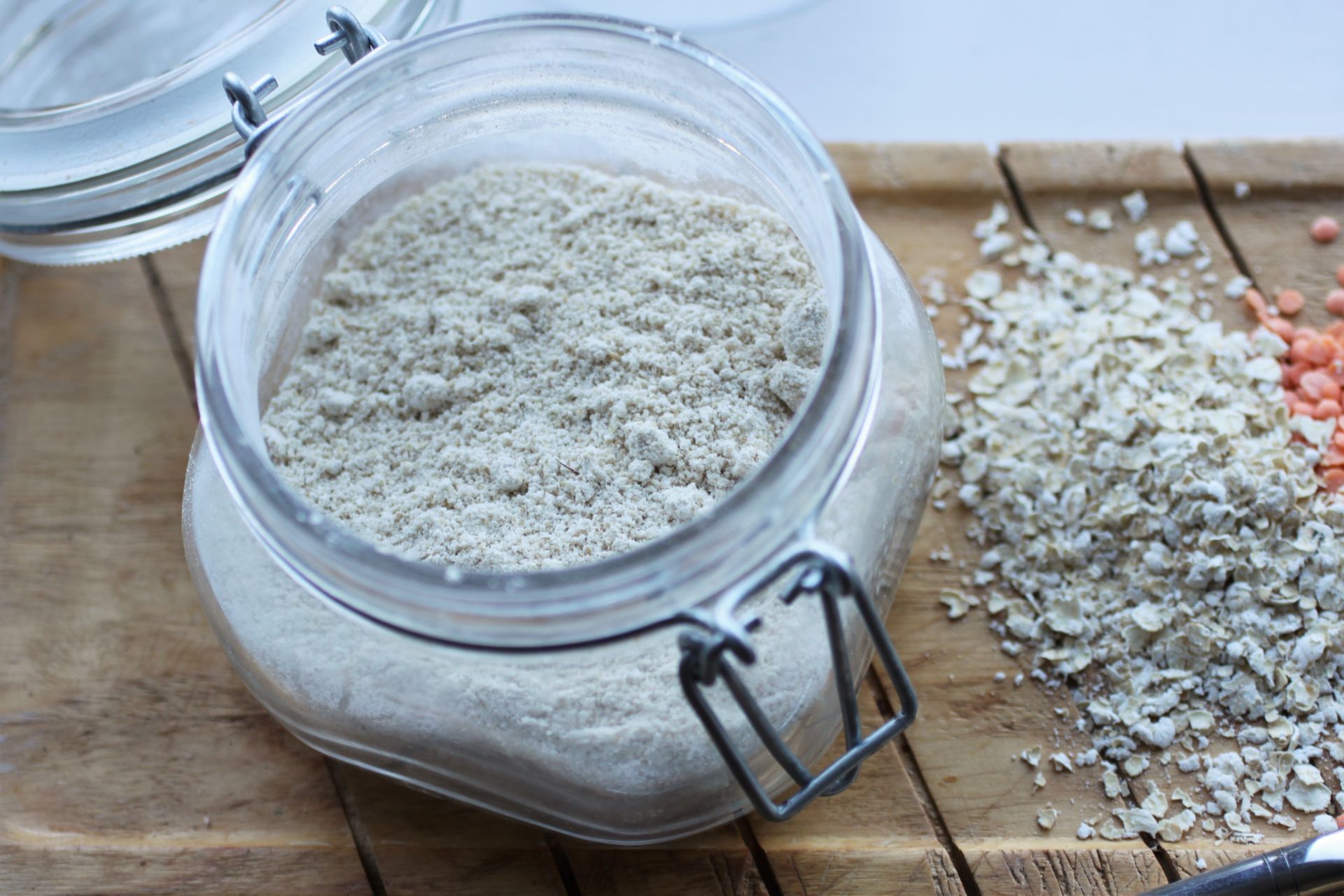
Before we begin, I’d like to point out that I use the milling blade on my NutriBullet* to make the vast majority of the flours I use. I don’t have a pantry full of different flours for different things, I have a pantry full of grains that I use for dishes all the time and sometimes blend them into flours.
If you already have a blender with a milling blade, I’d recommend doing it this way. Making your own only takes an extra minute at most and is often a lot cheaper than buying grain flours already milled. And it prevents wastage if you’re not using oat flour a lot, but eat rolled oats for breakfast.
Gluten Free Flours Exist?
You may have noticed that it’s very rare that I use regular plain gluten free/ self raising flours. That’s because I don’t really like them. I find most premade GF flours to be quite dry, the amount you have to use to sub them for a gluten flour is so precise, there’s no room for error at all. I don’t think they taste particularly great? They also offer little to no nutritional value. A processed white flour is quite nutritionally weak in comparison to a cup of oat/ grain flour. And I’d personally get the nutritional benefit from the grain as a raw ingredient than eat something so heavily processed.
That’s personal preference, of course, and if you’re happy using regular GF plain flour, please continue.
There are some recipes that for some reason don’t work with oat/ grain flours, and the GF alternatives to plain flour are necessary here for binding/ texture reasons. However, 95% of the time, I’ll use one of the options below.
My Favourite Gluten Free Flours and How I Use Them
Baking
Let’s start with the one that’s most obvious. Hi, my name is Sophie and I use oat flour in everything. But there’s a reason for that.
Oat Flour
Oat flour is very light in texture, it rises easily in baking with the help of a little baking flour. It isn’t dense, making it less likely to flatten when your cakes cool. Oats are obviously a healthy, high fibre, natural ingredient, so they have more nutritional value than a processed white flour blend, and often fewer calories.
In short, I like oat flour for the texture. Just look at how fluffy my oat flour pancakes are…

Almond Flour
Okay, I got a couple of comments about almond flour in my last post and I wanted to explain the pros and cons of that quickly.
The pros are obvious, almonds are delicious, adding the soft nutty flavour to baked goods tastes amazing. It also adds a subtle sweetness that works so well in many dishes.
BUT, almonds are obviously nuts, nuts are essentially fat and adding that much fat to a dish massively alters the texture. Fats are, by nature, heavier than oats for example. Using almond flour in a cake will likely prevent it from rising without some serious effort from other ingredients. For stodgier, heavier baked goods, almond flour is great. For example, almond flour in a dense, gooey brownie would be delicious. Likewise, I like almond flour in things that don’t necessarily have to rise, like a cookie/ tray bake situation. However, almond flour muffins aren’t the ideal texture (without an egg..).
Buckwheat Flour
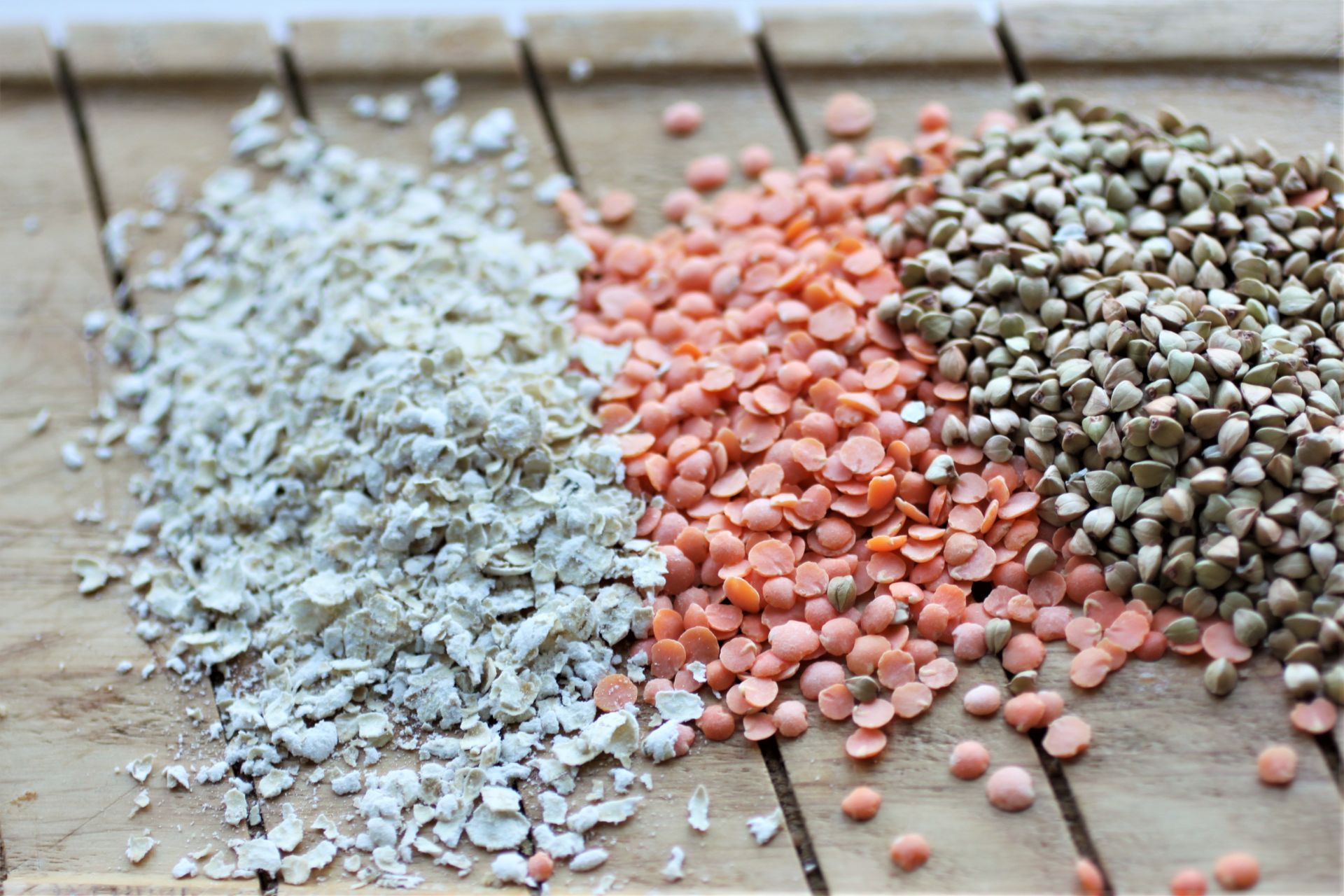
Anyone who has been with me since the beginning may remember that I used to use buckwheat a lot. It’s a great flour for many reasons – buckwheat as a grain is very cheap, so it’s an easy flour to use, it has a similar light texture to oats, so works very well in terms of baking.
I don’t use it as much these days because of the taste, buckwheat leaves a slight earthy taste behind, which some people don’t like. That can be cancelled out in baking recipes with added sugars/ fruits, but would linger in something like a simple sponge recipe.
Buckwheat would still be my number 1 choice for some baked goods, such as a savoury muffin though.

Thickening
This section is going to be brief, because you can realistically use anything to thicken something. Flours are typically used a lot in things like curry recipes to thicken the sauce. Some of you may remember the case where a man died after his local Indian restaurant added peanut flour to thicken his dish despite reassuring him it was safe for his allergies…
So, tip #1, the flour used to thicken largely depends on the allergy you’re trying to avoid.
Chickpea
A flour very commonly used to thicken is chickpea flour (besan/ gram flour), and I’m not that keen. I find that chickpea flour is typically quite lumpy. Now, a flour is a flour, you can slowly sift it in and stir to avoid the lumps. For a recipe post where I really wanted to use that ingredient, it would be worth it. However, the average family/ person making dinner would probably rather add a couple of spoons in and stir.
Lentil
Which is why I prefer lentil or quinoa flours for that. Nutritionally speaking, lentils are similar to chickpeas in the sense that they are both high fibre and a source of protein (vitamin and mineral profile is different), so they perform in a similar way, but I find that lentils have a lighter texture and mix easier, making them my preferred option.
Nut Flours
As mentioned in the baking section, nut flours are heavier and don’t mix as easily, but they do make dishes taste more creamy. So, they’re worth the effort of having to sift and stir to get the desired texture if you’d like to make a creamier sauce for example.
Burgers/ Meatballs etc
You can probably tell that I didn’t know what to call this section. I almost didn’t include it, but I realised this is an area in my kitchen where flours get used a lot, so it’s probably worth an explanation.
The reason I wasn’t going to include it is because you can use literally anything for this. And I mean anything that has a dry texture. You can use breadcrumbs, a flour, even ½ cup of chilli powder if you really wanted to. I’d recommend you don’t try that, but you get what I’m trying to say.
Choosing a flour in this situation is all about what you’d like to add to the end product. For example, in my curried lentil burgers recipe, I used a lentil flour. Obviously, the dish already contained lentils, so it worked from a flavour perspective, but it also added more protein to the dish.
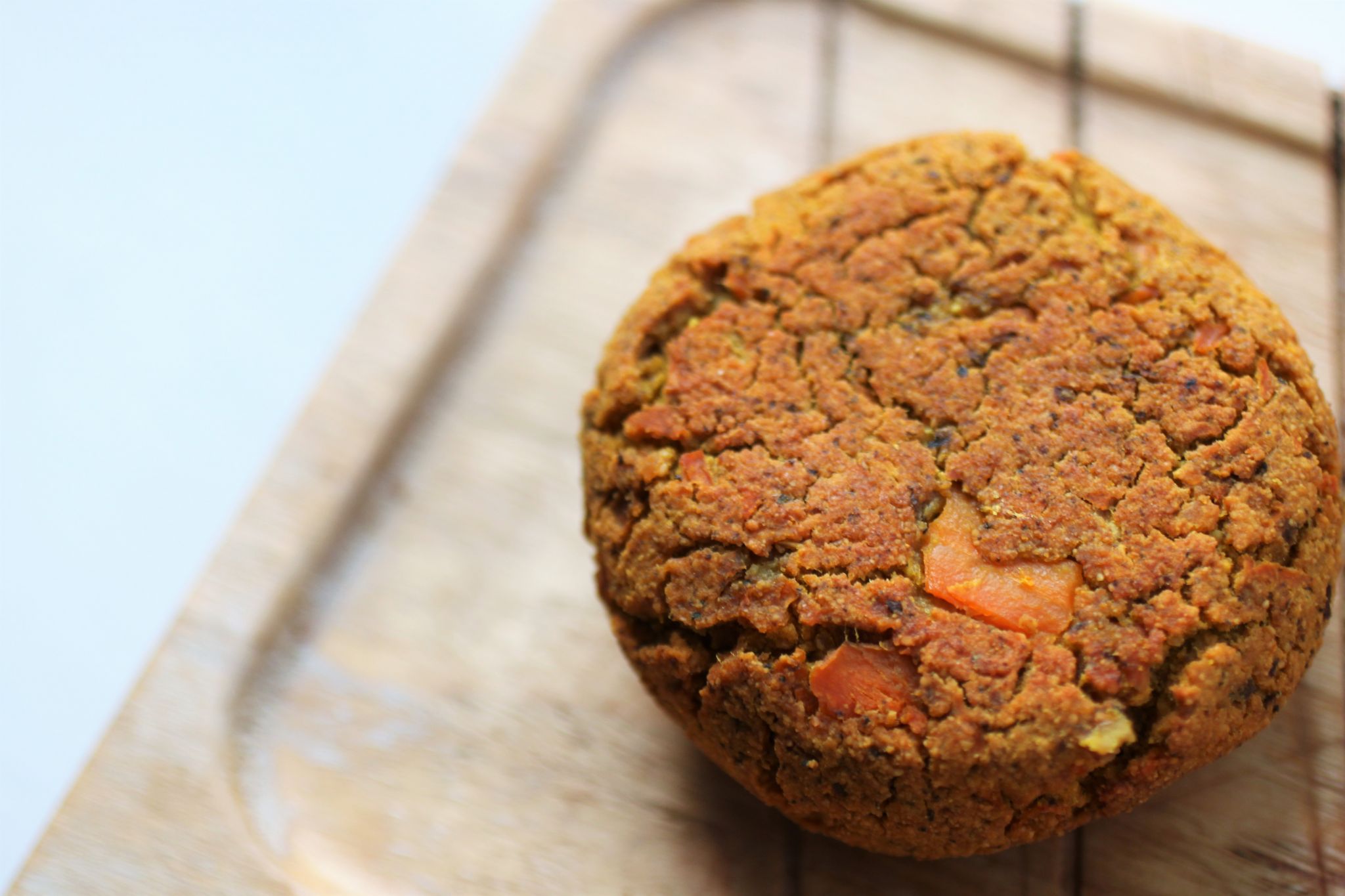
However, something like a falafel recipe, where I’m likely only adding a tbsp or two of flour, the nutrients in it don’t matter as much, so I’d be open to using any kind of grain/ legume flour.
I know this was a long one but I hope you found it useful! Are you gluten free? If so, which are your favourite flours to use?
Until next time,
Sophie
*This post features affiliate links.
The oat flour sounds so good! I never even considered making my own flour but this is a great post for if any GF friends want some tasty baking!
Jess x
This is such a cool blog post because I wouldn’t even think to use gluten free flour! I haven’t seen a post like this before either. Really loved the read!
Soph – https://girlvsworldblog.com x
I forgot that you had an oat-flour pancake recipe!! I’ve been using ones from Pinterest lately, but I’ll have to check yours out again the next time I make them x
This is such a helpful post! Since I’m not vegan, posts like this always help me cook and bake for friends and family! We always keep almond flour in our pantry!
Ashlee |
This was a very informative read. I knew very little about gluten-free flours. Now I want to try out some gluten-free flours and see how I like the end products.
I’ve recently been diagnosed with IBS so I’m trying to cut down on some gluten products, so I am interested in some of these flours!
Ellyn x | Life Of A Beauty Nerd
There are some great ideas on here! I appreciate how you explain why and when you use the different flours! Thank you for the help!
I love oat and buckwheat flour, they work so well, especially for thingsl ike pancakes!
Love, Amie ❤
The Curvaceous Vegan
That’s so neat that you make your own flours. I had no idea there were so many different types.
Love this…thank you for sharing! I’m slowly trying to get into gluten free so this is so helpful!
I know nothing about this so this was a hugely great introduction! Thank you!
Great post! I learned a lot of useful things for myself
http://www.recklessdiary.ru
What a healthy way to get your veggies in through the flour! I never had buckwheat flour, so this is a cool idea to get another nutritious flavor for pancakes or even waffles! I like the idea of using lentil flour in your lentil burgers, great way to make them thicker
Natonya |
https://justnatonya.wordpress.com
Useful tips 🙂
Oat flour is one of my favorites! xx
Beauty & Colour | Vegan Fashion + Lifestyle Blog
It is cool that you make your own flour! This is really creative and I like how you really get hands-on with your recipes. Ooooh, I like the sound of almond flour. It is pretty cool that a lot of the end product ends up looking just as tasty.
Nancy ♥ exquisitely.me
This post is so helpful, thanks so much for sharing!
With love, Alisha Valerie x | http://www.alishavalerie.com
This is such an informative post. It always amazes me how much you know about free-from food. We need to get you your own cook book ASAP! Also, I was wondering if you’d be able to answer this for me. I was chatting to Carl yesterday and he mentioned about how some flours aren’t technically Vegan due to how the wheat is grown, if it uses pesticides or if it harms any animals (bugs and things) when it’s being harvested. Can you shed some light on this? x
This is such an interesting post! I’ve not tried cooking/baking with different flours before, but I know where to come now if I choose to/need to in future. Thanks so much for sharing xx
Tiffany x http://www.foodandotherloves.co.uk
I haven’t tried much gluten free flours, I will have to try x