
Hey everyone, I know this might seem strange. It’s February, as I’m writing this the wind is howling, the sky is pure white, like it’s about to snow and it’s about minus three. But that’s kind of my point. I’ve been wanting to do a post on SPF for a long time. Long time as in it was actually one of the first blog post ideas I ever had. I was putting it off because I thought people wouldn’t be interested in reading it in winter; just keep the idea for summer.
As you can see, I obviously changed my mind. Saving this post for summer, although it may have been more popular then, would just feed people’s misconceptions about SPF. Many people think you only need it in summer, or at least when it’s sunny, which is one of my biggest pet peeves in skincare. So here we are, talking about SPF in the depths of winter, when the sunniest thing around me is my mustard jumper.
Why you should be wearing it?
Living in England, I hear jokes about not needing SPF most of the year, especially in winter, a lot. Most of us know by now that we should be wearing it daily. However, many people either don’t bother or simply forget when the sun isn’t shining brightly to remind you. The sun can damage your skin even when you can’t see the sun. You might not be able to get sunburn, but it can still damage your skin in ways that you can’t see. Wear protection every day. Even if you don’t feel like you need it, it’s a good habit to get into.
The Basics
There are two types of SPF, physical/ mineral and chemical. Although both types are actually made from chemicals so the labels are misleading. Mineral SPF is the one with the bad reputation. If you think of SPF and you’re imaging something thick and white that doesn’t blend properly, that’s likely to be mineral. Thankfully, SPF has come a long way since that cliché was invented and it doesn’t have to be like that these days. Chemical SPF typically has that lighter and very fluid texture.
What’s the difference?
They work in very different ways. Chemical SPF absorbs the UV rays as they touch your skin. Mineral on the other hand, bounces the rays back off your skin. To put it simply, mineral is better. Most dermatologists recommend mineral formulas, especially to those with very fair or sensitive skins, or people recovering from procedures.
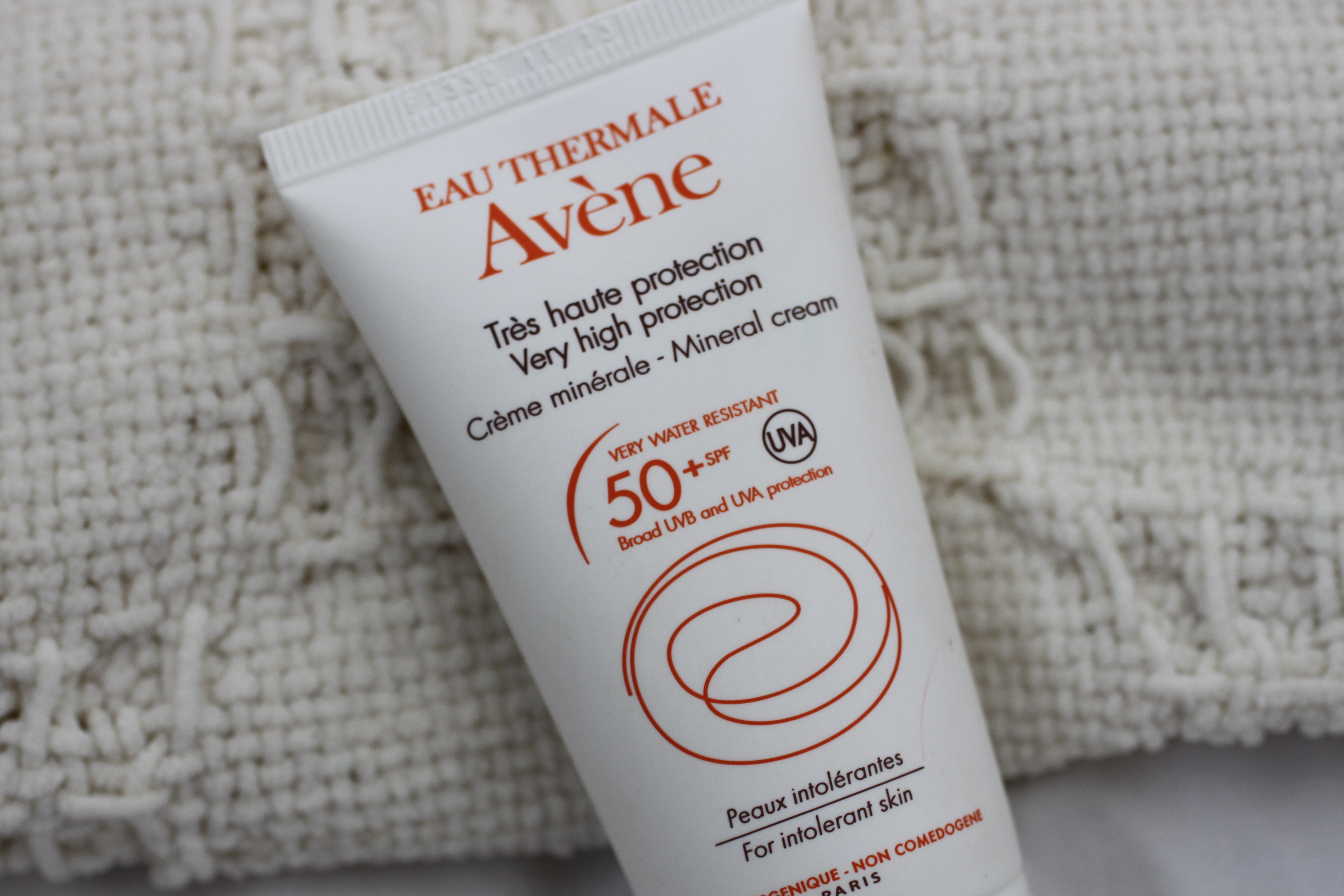
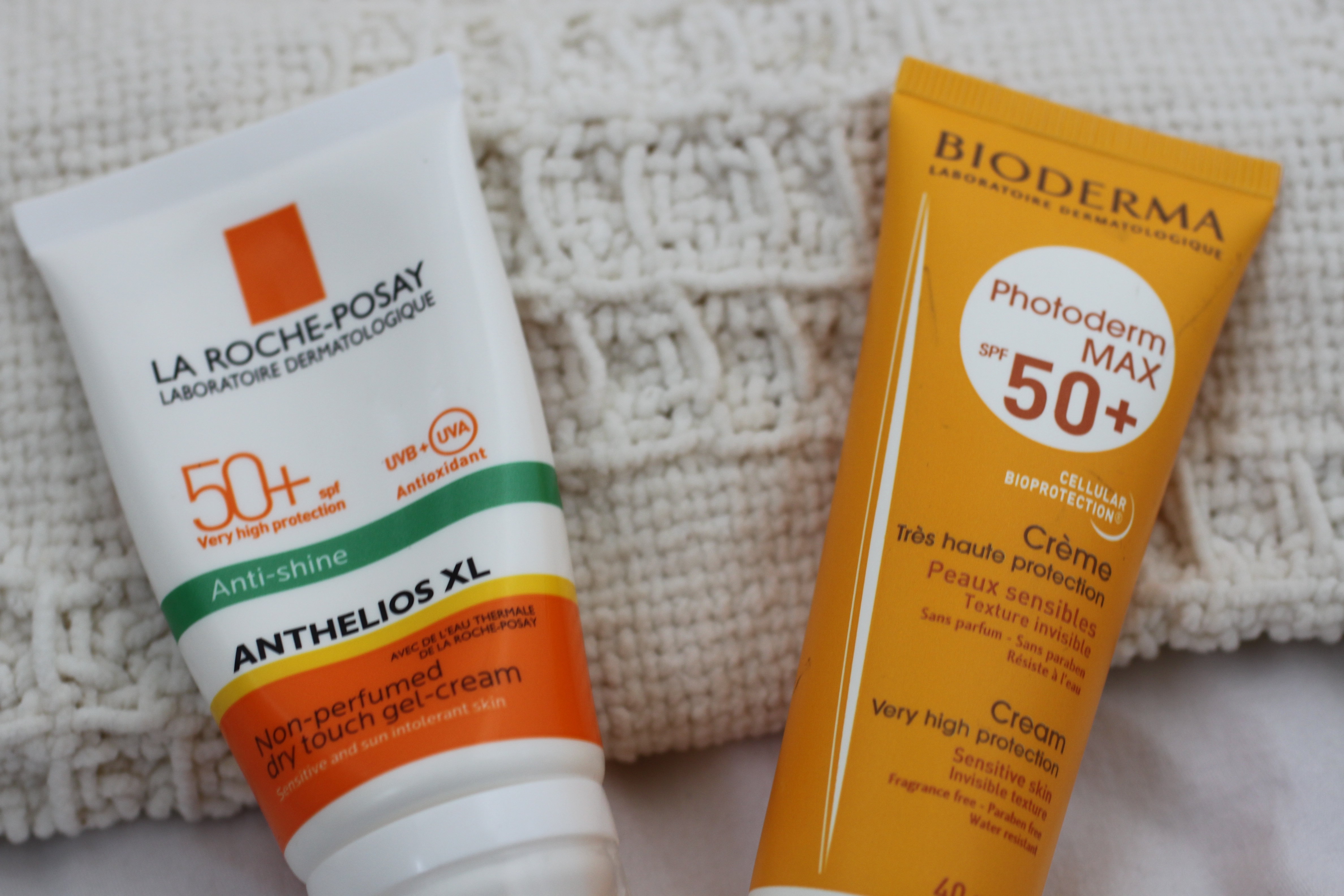
That being said, there’s nothing wrong with chemical SPF, it still does the job. Mineral SPF might not be great for the acne prone as it does tend to clog pores more easily than its chemical counterpart.
Broad Spectrum
I’m sure anyone who has ever bought sunscreen has heard that term before. Just like there’s two kinds of protection, there’s also two kinds of damage. There’s UVA and UVB, broad spectrum means it shields against both. UVA is the kind that causes the premature ageing; the pigementation and ‘sun spots’ you see in later life. UVB causes your skin to burn right there and then. Sorry everyone, but UVB is also what’s giving you your tan. A sun tan is a sign of damaged skin cells. It doesn’t matter that your skin isn’t burnt.
Maybe doing this post in winter was a good idea, less people will have tans and be offended right now.
Regulation
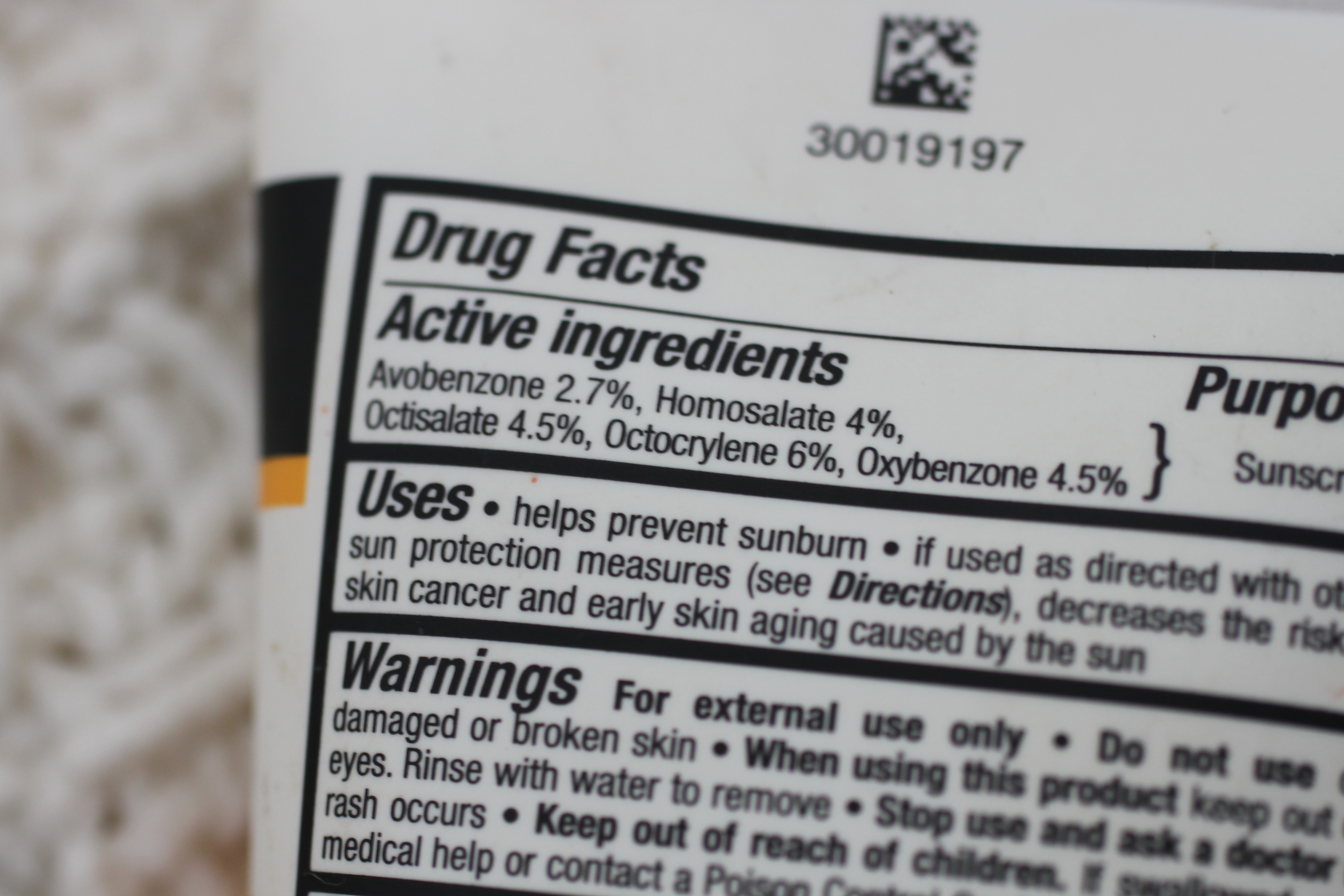
Now this is really interesting. Did you know that the quality of your SPF could vary depending on the country you’re living in? For those of you in America, SPF is seen as a drug and has to be approved by the FDA. Meaning that new technology takes much longer to be approved and formulas are less likely to be approved accordingly.
In Europe SPF is tested under cosmetic grade regulation, meaning it gets approved quicker. This also means that in Europe we have a larger number of formulas and brands available to us.
In the US it’s SPF labelling is obligatory. Any product with SPF ingredients will have it listed as an active and will clearly state the number. In Europe it is not obligatory, it’s there as a guideline and matter of convenience of the consumer.
Formula
It’s better to wear a standalone SPF. If you’re wearing it in your foundation alone, you won’t be using enough product to get the required protection. It’s recommended that you use approximately 1.2 ml of product for your face. Your foundation bottle would last you less than a month.
Moisturisers with SPF are quite frankly, a rip off. The potency of the SPF ingredients will destroy the majority of antioxidants and active ingredients in the bottle. You’ll be paying a lot more money to get zero extra benefit.
Factors
Numbers don’t actually mean what you think they do; SPF 50 is not twice as good as SPF 25. There’s actually only 1% difference in terms of product between SPF30 and 50. The jump between 20 and 30 is greater which is why SPF30 is often listed as the minimum you should be wearing. (For SPF30 I really like this one.)
Another America vs Europe thing. You may have noticed on the packaging of some of the products in the photos that the American ones have higher numbers. In fact, that Neutrogena one goes up as far as SPF110.

In Europe and Australia, you cannot sell a product which claims to be higher than factor 50. Those products that are marketed as SPF110 in the US are 50+ here. Holidaymakers may have noticed before that some bottles say SPF50 while others say SPF50+.
SPF only refers to the UVB protection, UVA is measured differently. SPF15 blocks around 93% of UVB damage, SPF30 blocks 97% while SPF50 blocks 98%.
As you can still get UVA damage while using a high factor SPF, the UK and Australia have cross referenced a system whereby UVA protection standards are included in the product labelling. UVA screening ingredients cannot be tested with certainty beyond SPF50, which is the reason for the cap. The US do not have a system like this which is why you can purchase SPF110.
And a few final notes:
- No SPF is waterproof, remember to top up when in the sun
- You can’t ‘add up’ SPF. Wearing it in every layer of skincare makes no difference, only the top layer matters.
- Do not keep SPF longer than a year, the ingredients degrade.
I hope you found this post useful, and possibly learnt something too!
Until tomorrow,
Sophie
For my latest skincare post click here.
I did my university dissertation on women’s changing attitudes towards skincare, which largely covered sun protection. Most of the information in this post comes from dermatologists I interviewed as research for that.
This post contains affiliate links.
This is the most useful blog post I have ever read! Definitely have to go and buy an SPF now! Thanks for all the knowledge you shared! xx
This is great! Super informative! x
I always see/hear people saying they wear spf on their faces everyday and im like but its the middle of winter??? So informative Sophie!
This is such a great post! I knew it was important but I never really thought about it too much in this way! Thanks you for enlightening us on this topic!
Jessica & James | http://www.foodandbaker.co.uk /
Hi, thanks for sharing this. I have family In Oz and all to aware of the importance of a good suncream, I don’t go below factor 30 and always take UK suncream on my hols.
This post is so handy! I’m off to Sri Lanka for 5 weeks later this year and I always worry about protecting my skin enough, particularly my face but I struggle to find something that suits my oily skin! Thanks for putting this together!
Chloe ❤
This is such a useful and well written blog post! I have never really thought about using spf unless it’s warm but I’m definitely going to start using it now even when it’s cold
This is really interesting and very informative Sophie. I’ll keep an eye out for mineral instead of chemical SPF in future. Also, I didn’t realise that SPFs were not waterproof. I’ll definitely be topping up after I go swimming on holiday now. Thanks for sharing! <3
Bexa | http://www.hellobexa.com
LOved reading something on SPF as it’s never talked about much! I must start using it more! xx.
This is such an important topic and I appreciate you educating people on it, this was very informative!
I wish I had this knowledge last year when I got sunburnt under an umbrella on the beach. The Miami sun reflected off the sand and got me good. You are so right about not having to be in the direct sun! Great post full of useful information.
This was such an informative post! I don’t wear SPF unless I’m on holiday or we’re lucky and get a heatwave in England for a few days but this has definitely helped understand the different types and why it’s important to wear it more often!
Jess xx
Definitely going to dig out my spf primer now! Thanks for all the info
I always ignore spf because I assume I don’t need it but it’s not true! Everyone needs spf and this post has been really helpful!
Ellie | elliekblog.blogspot.co.uk xx
I always ignore spf because I assume I don’t need it but it’s not true! Everyone needs spf and this post has been really helpful!
Ellie | elliekblog.blogspot.co.uk xx
I always learn something new from your posts I mean I reasearch stuff before I use it but I’ve always been super lost to SPF like this is a bundle of great info. I think that’s a cool dissertation topic. I need to consider all of the factors more often esp since the Caribbean is mighty hot thanks for sharing!
xx Lena |
Wow, this was a really informative post, thank you. And I’m shocked to realise that SPFs aren’t waterproof, I thought that kids’ sunscreen was waterproof (Nivea, I’m looking at you) so that’s a big wake up call for our holiday later this year. Thank you, Sophie, I’m very glad you decided to share this post in winter and not leave it until later in the year. x
Lisa | http://www.lisasnotebook.com
I can definitely see the effort you’ve put into this post ☺️ It’s full of useful advice! I’m going to bookmark it to read in detail soon ☺️ and then go out and buy some suncream! x
I really need to start wearing spf more often. This post is really helpful, I think I’ll go for a chemical spf since I have acne prone skin.
Aleeha xXx
http://www.halesaaw.co.uk/
I’m absolutely flabbergasted about all these different types and sorts of SPF and feel VERY uneducated. Guess it’s time to start smearing!
Love,
Dominique
http://www.fashionedbypluche.blogspot.com
This really has opened my eyes to the importance of wearing SPF, I definitely need to invest in one! You’re absolutely right that it’s a good habit to get into wearing one, even in the winter we can still feel the sun’s impact! I also wasn’t aware of the difference between the factors and did assume that SPF50 was just 2x as good as SPF25, but I know better now!!
Abbey x
There’s so much I didn’t know and learnt here. I use SPF 30 for the simple reason that anything higher gives me a rash but I had no idea why it is quoted as the ideal level of sun protection.
This post is so informative! Def going to be on the look out for mineral sunblock! Wish I knew all of these in my teens!
Whoa Soph, this post was incred. So in depth and actually really really informative. I hope you don’t mind but I’m going to share it on Pinterest because this is something that literally everyone should read! Loved it babe ! xx
This was SO interesting! I’m amazing at how much you know! I’m VERY fair so when I used to go on holiday abroad with my parents when I was littler, I always smothered myself in sun cream. But always still managed to get burnt! And I always used the highest I could. I didn’t realise the differences between the factors and the % xx
SPF is only something I worry about on holiday, even then i dont really understand it! But i see a few youtubers who wear spf daily under their foundation and although it’s not always sunny in thr UK i can understand it protects your skin! This was such a helpful post, even though i feel more confused!! I do know i should 100% be wearing spf daily!