
AD | Building lean muscle requires more than just lifting weights at the gym. Proper nutrition plays a crucial role in muscle development, providing the essential building blocks needed for growth and recovery. A balanced diet featuring lean proteins, complex carbohydrates, and healthy fats creates the optimal environment for natural muscle growth.
Strategic meal timing and nutrient combinations can enhance muscle protein synthesis throughout the day. The Mediterranean diet serves as an excellent framework, with studies showing its effectiveness in supporting lean muscle development while maintaining healthy body composition. Those seeking additional support can shop for fitness supplements online to complement their nutritional strategy.
Key Takeaways
- A balanced combination of proteins, carbs, and healthy fats optimizes muscle growth
- Strategic meal timing enhances protein synthesis and muscle recovery
- Proper nutrition combined with resistance training maximizes natural muscle development
Optimizing Your Diet for Muscle Growth
Building lean muscle requires precise attention to nutritional intake, focusing on both the quality and quantity of food consumed, along with strategic meal timing to support muscle synthesis and recovery.
Balancing Macronutrients for Optimal Gains
A successful muscle-building diet requires consuming 20 calories per pound of bodyweight daily to maintain a caloric surplus.
Protein should make up 25-30% of total calories, with 1.6-2.2 grams per kilogram of body weight spread across multiple meals.
Carbohydrates form 45-55% of daily calories, emphasizing complex sources like quinoa, sweet potatoes, and whole grains to provide sustained energy for workouts.
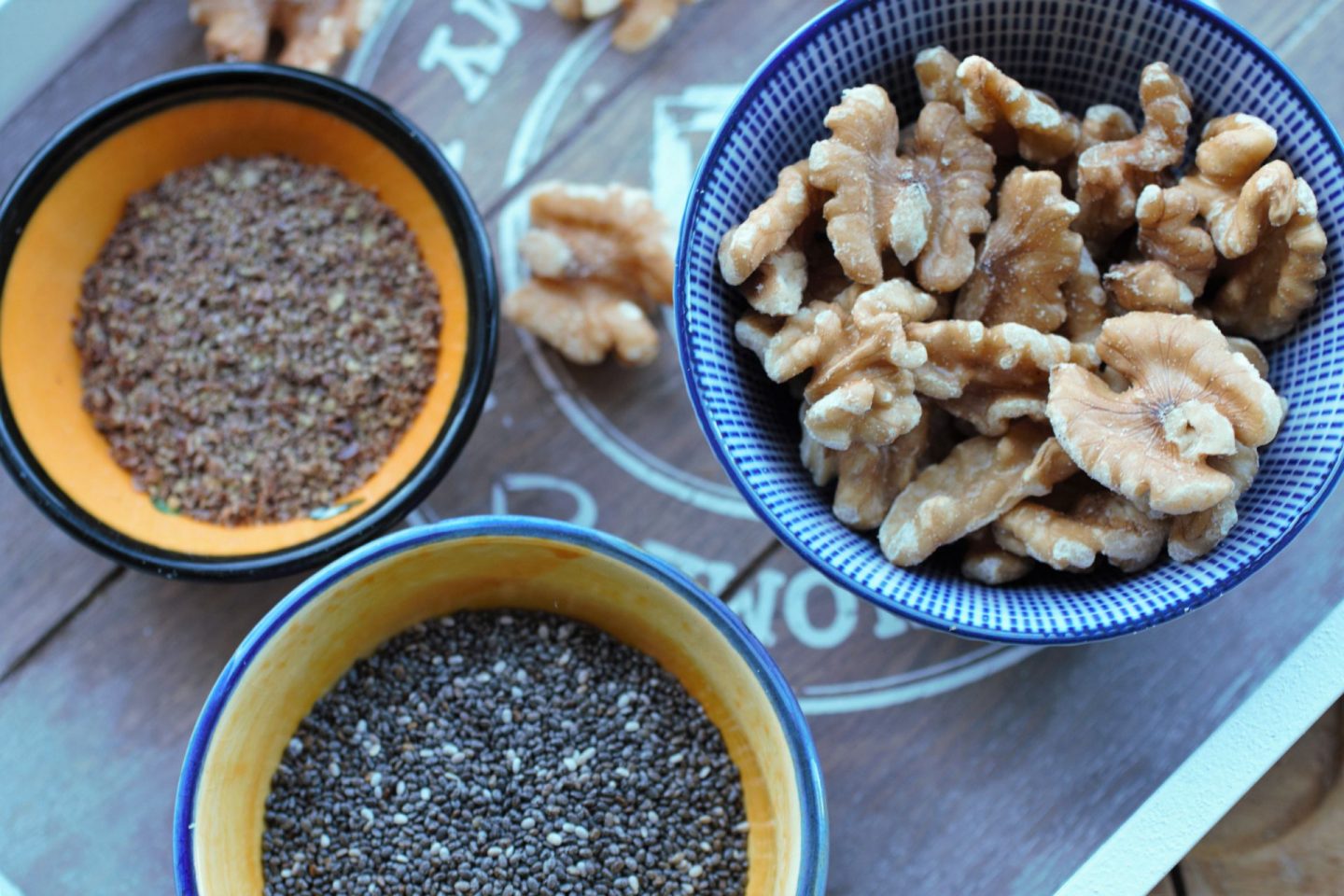
Healthy fats should constitute 20–30% of calories. Include sources rich in omega-3 fatty acids like nuts and seeds, or fatty fish to support hormone production and reduce inflammation. These nutrients also play a supportive role in maintaining vascular health and the natural production of nitric oxide, which helps regulate blood flow and overall cardiovascular function.
Prioritizing High-Quality Protein Sources
Lean meats, fish, eggs, and dairy products provide complete proteins containing all essential amino acids needed for muscle growth.
Plant-based options like quinoa, legumes, and soy products are great alternatives while providing additional fibre and micronutrients. Quinoa and soy based products are great choices as they are plant based complete proteins too.
Top Plant Protein Sources:
- Hemp seeds (31g per 100g)
- Pumpkin Seeds (24.4g per 100g)
- Lentils (9g per 100g)
- Tofu (16.5g per 100g)
- Soy Greek yogurt (7g per 100g)

Timing Nutrient Intake Around Your Workout
Consume a balanced meal containing protein and carbohydrates 2-3 hours before training to fuel performance.
Take 20-30g of protein within 30 minutes post-workout to maximize muscle protein synthesis.
Include fast-digesting carbohydrates in your post-workout meal to replenish glycogen stores and support recovery.
Small, nutrient-dense snacks like almonds or Greek yogurt between meals help maintain steady energy levels and provide consistent protein delivery throughout the day.
Supporting Muscle Development Beyond Nutrition
Building lean muscle requires a comprehensive approach that combines strategic training, proper recovery protocols, and targeted supplementation working together in harmony. These elements create the foundation for optimal muscle growth and strength gains.
Incorporating Effective Strength Training Routines
Progressive overload stands as the cornerstone of muscle development. Each workout should gradually increase either weight, reps, or sets to continually challenge the muscles.
A well-structured training plan includes 3-4 strength sessions per week, focusing on compound movements like squats, deadlifts, and bench presses. These exercises recruit multiple muscle groups simultaneously.
Training volume should target 8-12 reps per set for hypertrophy, with 3-4 sets per exercise. Rest periods of 60-90 seconds between sets maintain optimal muscle tension.
Key training principles:
- Track weights and reps systematically
- Focus on proper form over heavy weights
- Allow 48 hours between training same muscle groups

Ensuring Adequate Recovery and Sleep
Sleep quality directly impacts muscle protein synthesis and hormone production. Adults should aim for 7-9 hours of uninterrupted sleep nightly.
Recovery includes active rest days with light movement like walking or swimming. This promotes blood flow and nutrient delivery to recovering muscles.
Recovery essentials:
- Keep consistent sleep/wake cycles
- Use blackout curtains and minimize screen time
- Schedule 1-2 complete rest days weekly
Monitoring signs of overtraining helps prevent setbacks. Watch for persistent fatigue, decreased performance, or prolonged muscle soreness.
Understanding the Role of Supplements
Creatine monohydrate stands as the most researched supplement for muscle growth. A loading phase of 20g daily for 5-7 days, followed by 5g daily maintenance dosage, supports strength and recovery.
Whey protein provides convenient post-workout nutrition, aiming for 20-30g within 30 minutes after training. This timing optimizes muscle protein synthesis.
Essential supplements:
- Creatine monohydrate
- Whey/ soy protein isolate
- BCAAs during fasted training
- Vitamin D3 in winter months
Consider third-party tested supplements to ensure quality and safety. Not all supplements deliver measurable benefits, so focus on proven options.
Conclusion
Building lean muscle requires consistency with both training and nutrition fundamentals. A balanced diet with adequate protein intake, complex carbohydrates, and healthy fats provides the essential building blocks needed for muscle growth.
Strategic meal timing around workouts, combined with proper portion control and nutrient-dense whole foods, creates an optimal environment for muscle development. Good nutrition habits and regular strength training form the foundation for achieving natural muscle gains.
Leave a Reply