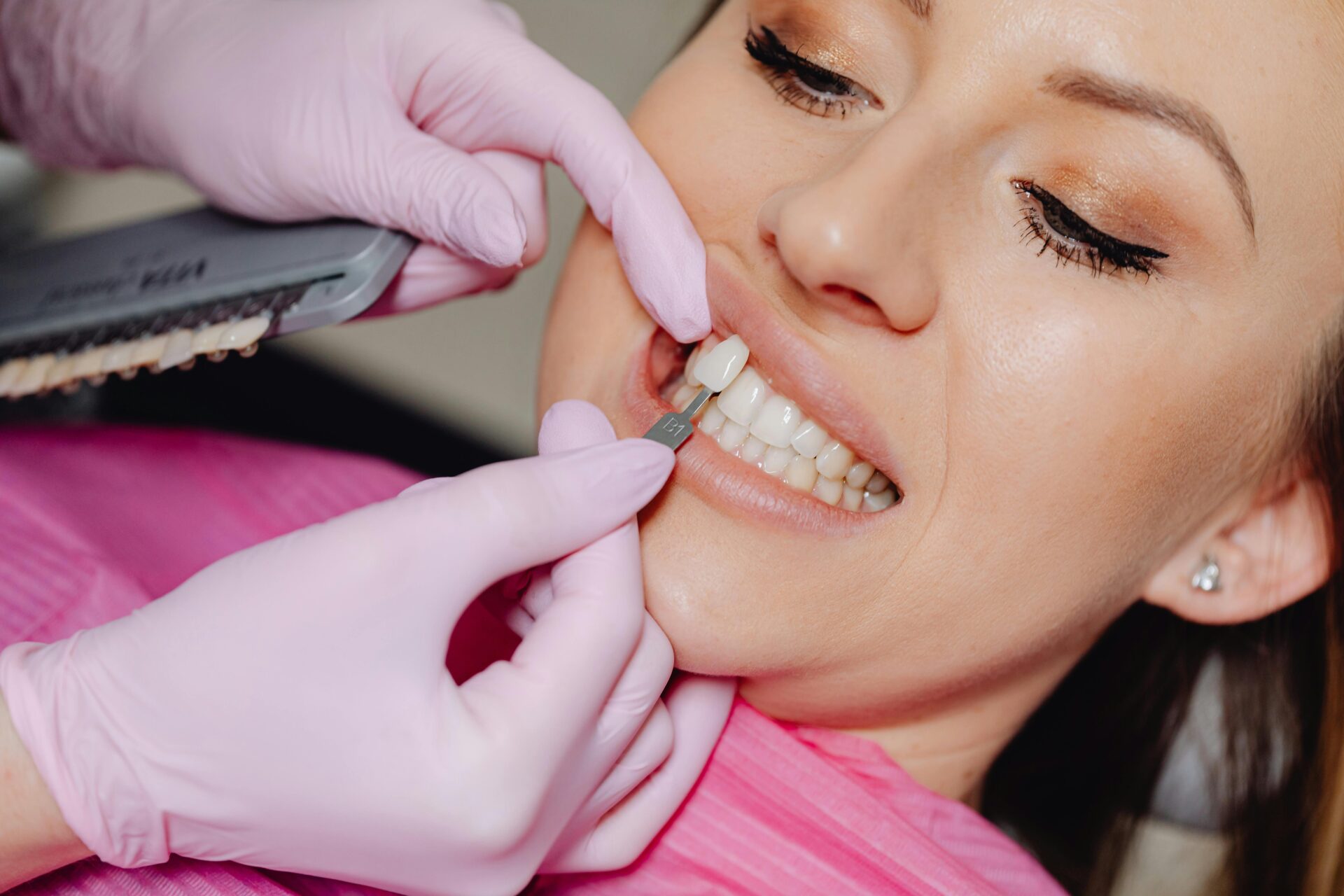
AD | Dental veneers have revolutionised cosmetic dentistry, offering patients a pathway to achieve the perfect smile they’ve always dreamed of. These thin shells of porcelain or composite resin are custom-made to cover the front surface of teeth, transforming their appearance dramatically.
Featured Image: Photo by Photo By: Kaboompics.com
Understanding veneers requires recognising their purpose and application. They’re designed to address various dental imperfections, from discolouration and chips to gaps and minor misalignments. However, like any dental procedure, veneers come with both significant advantages and important considerations.
What Are Dental Veneers?
Dental veneers are wafer-thin, custom-made shells crafted from tooth-colored materials that bond to the front surface of your teeth. Typically measuring between 0.5 to 0.7 millimeters thick, they’re designed to mimic the natural appearance of tooth enamel while providing strength and resilience.
Two primary types dominate the veneer market: porcelain and composite resin. Porcelain veneers offer superior durability and stain resistance, while composite veneers provide a more affordable option that can often be completed in a single visit to your dentist.
The veneer application process involves careful planning, tooth preparation, and precise fitting. Your dentist will assess your oral health, discuss your aesthetic goals, and create a treatment plan tailored to your specific needs and expectations for optimal results.
The Advantages of Dental Veneers
Dramatic Aesthetic Improvement
“Veneers deliver transformative results that can completely change your smile’s appearance,” says midental.ca, a Kitchener dentist.
They effectively address multiple cosmetic concerns simultaneously, including severe tooth discolouration that doesn’t respond to traditional whitening treatments, creating uniformity in colour and brightness across your smile.
Chips, cracks, and minor fractures become invisible beneath veneers’ smooth surface. The procedure can also close small gaps between teeth and improve the appearance of slightly crooked or misshapen teeth without requiring extensive orthodontic treatment.
The natural translucency of porcelain veneers closely mimics tooth enamel, creating results that look authentic rather than artificial. This quality makes them virtually indistinguishable from natural teeth when properly crafted and applied by an experienced cosmetic dentist.
Long-lasting Durability
Quality porcelain veneers can last fifteen to twenty years or more with proper care and maintenance. This longevity makes them a worthwhile investment for many patients seeking permanent solutions to their cosmetic dental concerns and aesthetic goals.
The porcelain material resists staining from coffee, wine, and other common culprits that typically discolour natural teeth. This stain resistance means your smile will maintain its bright, white appearance for years without requiring frequent touch-ups or whitening treatments.
Veneers also provide an additional layer of protection for your natural teeth. They can help strengthen weakened tooth structure and provide some protection against further damage, though they shouldn’t be considered a substitute for proper oral hygiene.
Minimal Tooth Preparation
Modern veneer techniques often require minimal removal of existing tooth structure. Ultra-thin veneers and no-prep options preserve more of your natural tooth enamel compared to other restorative procedures like crowns or extensive bonding treatments.
This conservative approach means the procedure is often reversible in its early stages. If you’re unsatisfied with the initial results, your dentist may be able to make adjustments or remove the veneers without significant damage to your underlying teeth.
The minimal preparation also typically results in less post-procedure sensitivity compared to more invasive dental treatments. Most patients experience little to no discomfort following veneer placement, allowing them to return to normal activities relatively quickly.
The Disadvantages of Dental Veneers
Significant Financial Investment
Dental veneers represent a substantial financial commitment, with porcelain options typically costing between $1,000 to $2,500 per tooth. Complete smile makeovers involving multiple veneers can easily reach tens of thousands of dollars, making them inaccessible for many patients.
Most dental insurance plans classify veneers as cosmetic procedures, meaning they won’t cover the costs. Patients must typically pay the entire amount out-of-pocket, though many dental practices offer financing options to make treatment more manageable for qualified candidates.
The initial cost doesn’t include potential future expenses for repairs, replacements, or maintenance. While veneers are durable, they may eventually require attention, adding to the long-term financial investment required for maintaining your enhanced smile.
Irreversible Tooth Alteration
Even minimal-prep veneers require some removal of tooth enamel to ensure proper fit and appearance. This alteration is permanent and irreversible, meaning your teeth will always need some form of covering or restoration to maintain their appearance and protection.
If veneers are damaged or need replacement, you cannot simply return to your natural teeth. The prepared tooth surface requires protection, whether through new veneers or alternative restorative treatments, creating a lifelong commitment to dental maintenance.
This irreversible nature makes the decision particularly weighty. Patients must be certain about their choice and committed to maintaining their veneers properly throughout their lifetime, understanding that their natural teeth have been permanently altered in the process.
Potential for Complications
Veneers can chip, crack, or become dislodged, particularly if subjected to excessive force or pressure. Habits like teeth grinding, nail-biting, or using teeth as tools can damage veneers and require costly repairs or replacements sooner than expected.
Sensitivity issues may develop, especially immediately following placement. Some patients experience temporary or, in rare cases, permanent sensitivity to hot and cold temperatures. This discomfort can affect eating habits and overall quality of life for sensitive individuals.
Poor fit or inadequate bonding can lead to problems like food trapping, bacterial accumulation, or gum irritation. These issues may require additional dental intervention and can potentially compromise the health of your underlying teeth and surrounding gum tissue.
Making the Right Decision
Choosing dental veneers requires careful consideration of your individual circumstances, expectations, and commitment to long-term oral health. Consulting with an experienced cosmetic dentist who can assess your specific needs and discuss realistic outcomes is essential for making an informed decision.
Consider your lifestyle, oral hygiene habits, and willingness to modify behaviours that might damage veneers. Evaluate your financial situation and ability to maintain and potentially replace veneers in the future, ensuring you can commit to the long-term investment required.
Ultimately, dental veneers can provide life-changing results for the right candidates. When properly planned, executed, and maintained, they offer a pathway to the confident, beautiful smile you’ve always wanted, making the investment worthwhile for many patients seeking lasting aesthetic improvement.
Leave a Reply