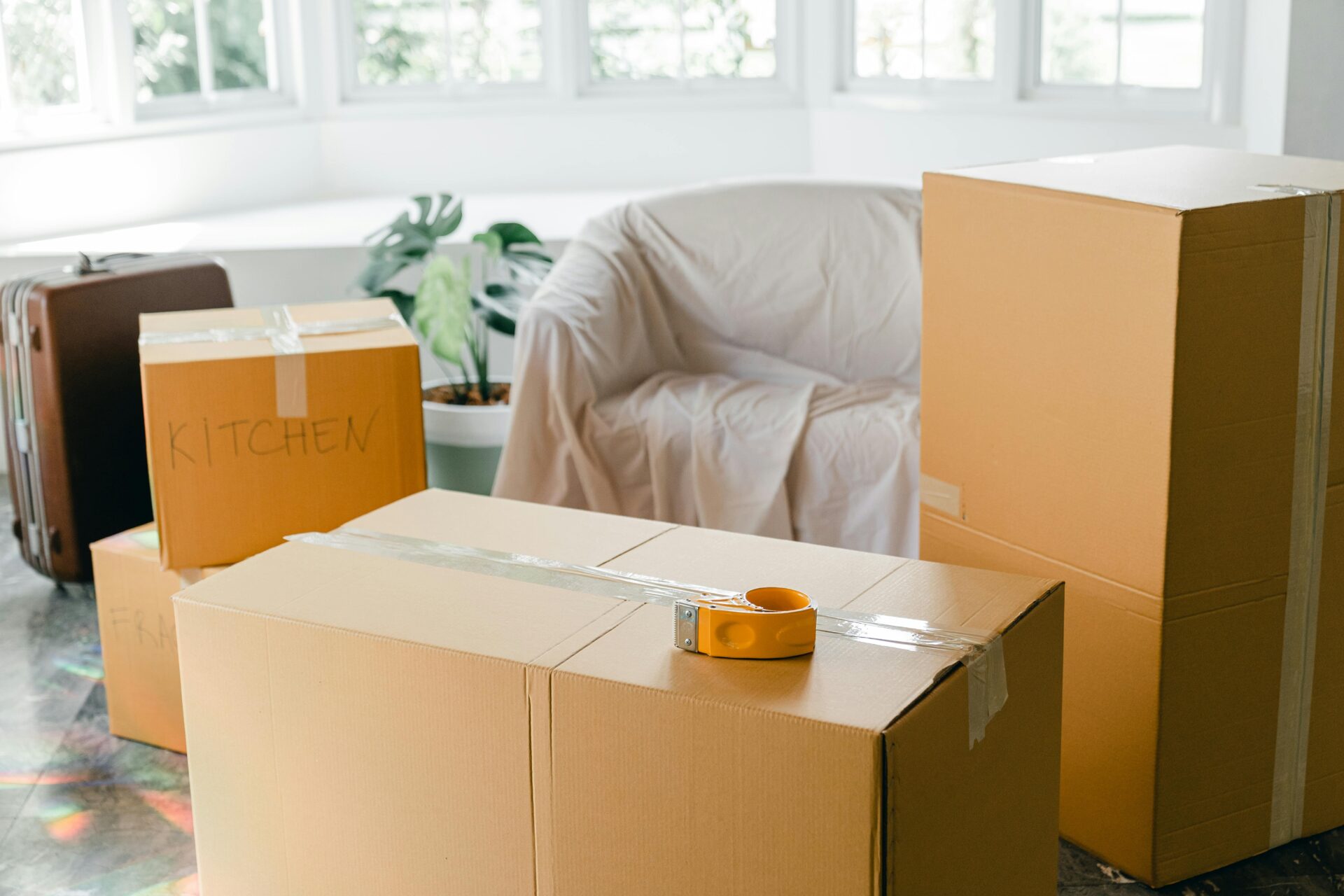
AD | Storing furniture might seem simple but there’s much more to keeping it safe. Without the right care, items can get scratched, warped, or damaged by moisture. Whether you’re relocating, renovating, or making space at home, safeguarding your belongings starts with knowing how to do it right. Read on to learn how to store furniture the smart way.
Featured Image: Photo by Ketut Subiyanto
Start with a Clean Slate
Before placing anything in storage, give all furniture a thorough clean. Dust, food residue, or dampness can attract pests or lead to mould. Use gentle cleaners for wood and metal, and allow every piece to dry fully. Mattresses and soft furnishings should be vacuumed and stored with moisture absorbers. This helps prevent unpleasant odours and mould from forming while in storage.
Disassemble for Safer Transport and Storage
Large items like bed frames, tables, and wardrobes are best stored in parts. Taking furniture apart helps save space and reduces the risk of damage. Keep screws, bolts, and other fittings in clearly labelled bags, and tape them securely to the matching piece. Smaller components can easily get lost if not stored properly, so keep all parts together to make reassembly easier.
Choose a Facility That Prioritises Protection
Not all storage facilities are the same. Look for units that offer climate control, especially if you’re storing antique or wooden furniture. Excessive heat or cold may damage materials over time. You should also verify the site’s physical safety measures. CCTV, access control, and clean, dry units are essential features.
For extra peace of mind, opt for providers that specialise in secure and reliable self storage solutions. Always inspect the unit in person where possible to check conditions before committing.
Protect Surfaces with the Right Materials
Never wrap furniture directly in plastic. It traps moisture, which can lead to warping or mould. Instead, use breathable materials like cotton sheets, blankets, or purpose-made furniture covers. For delicate or glass surfaces, use bubble wrap, followed by cardboard for impact protection. Adding corner protectors can also help prevent chips and dents during handling.
Pack Thoughtfully for Long-Term Safety
When placing furniture in a self storage unit, avoid piling heavy items on top of fragile ones. Always stack from the ground up, starting with heavier, sturdier pieces. Leave gaps between items to encourage air circulation. This reduces the risk of damp or mildew building up in enclosed spaces.
Take care not to press furniture tightly against the unit walls, which may cause condensation damage. Raising furniture slightly off the ground using pallets or blocks helps guard against potential flooding, particularly in older or poorly ventilated facilities.
Regular Check-Ins Make a Difference
Even in the most secure units, occasional visits are helpful. Inspect your stored furniture every few months. Check for signs of moisture, damage, or pests. If needed, adjust covers, refresh moisture absorbers, or shift items to improve airflow. A short visit now can help prevent serious damage later.
Storing Smart is Storing Safe
Furniture is often more than just wood and fabric, as it holds value, memories, and purpose. Taking time to prepare and protect it properly means fewer regrets when it comes time to retrieve it.
From cleaning and disassembly to smart packing and picking the right facility, safe storage is all about the details. Treat your furniture well now and you’ll thank yourself later.
Leave a Reply