AD | When enhancing a space with greenery, the allure of artificial plants is undeniable. They offer the beauty of nature without its upkeep, making them a popular choice for both home and office environments. The key to choosing the right faux flora lies in how authentic they appear and how well they endure over time. The following insights will explore the nuances of selecting artificial plants that are not only visually convincing but also durable. Keep reading to find out how to curate an evergreen oasis with the perfect artificial pieces for your space.
The Importance of Realistic Details in Artificial Plants
Realistic details are the cornerstone of high-quality artificial plants. The most convincing faux plants boast intricate details such as natural leaf vein patterns, gradient color tones, and even the occasional “imperfection,” replicating the natural growth patterns and anomalies. Close attention to detail ensures your artificial plants withstand close scrutiny and seamlessly integrate into a living environment alongside their real counterparts.
Texture also plays a critical role in enhancing the realism of artificial plants. From the subtle fuzz on a sage leaf to the waxy sheen of a rubber plant, capturing these tactile elements is essential. The touch-and-feel experience is often the defining factor in whether an artificial plant is perceived as genuine or fake, making it a factor that cannot be overlooked.
Even the arrangement of the plants contributes to their believability. In nature, plants grow asymmetrically and at different rates. Choosing artificial plants that mimic this organic arrangement, with varying heights and natural-looking spacing, can significantly enhance their realism. This helps to create an aesthetic that feels more lifelike and less manufactured.
An excellent source of high-quality artificial greenery that meets these critical criteria is available from reputable providers. For instance, Nearly Natural artificial plants are renowned for their artisanal approach, emphasizing intricate details that give their products a lifelike appearance.
Color and Texture: Keys To Lifelike Artificial Plant Selection
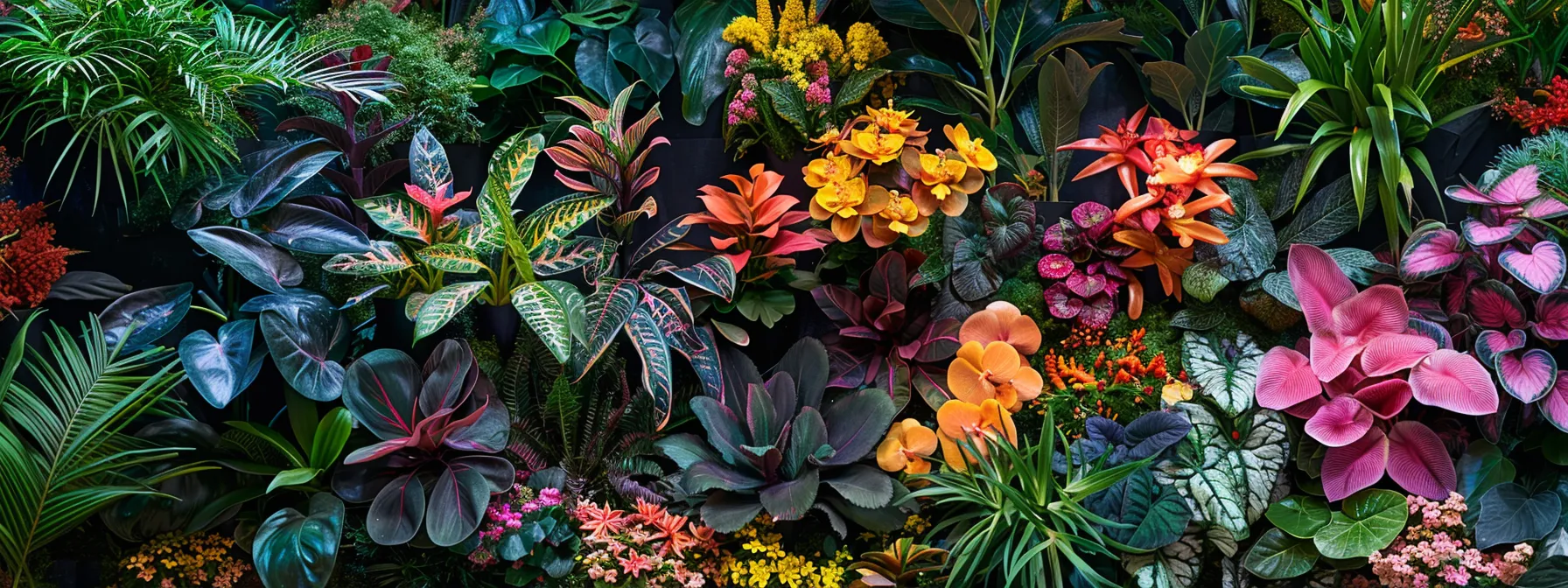
Color fidelity is key when choosing artificial plants that resemble living specimens. Look for plants with natural hues and subtle variations, as you would find in real foliage. The presence of multiple shades and tones in leaves and stems can significantly affect their overall authenticity and the ambience they create.
Texture adds depth and character to artificial plants. A combination of glossy and matte finishes on leaves, along with realistic nodes and stems, can reflect the diverse textures of a living plant. These features are particularly important when the plant is part of a larger decorative scheme and must withstand both visual and tactile scrutiny.
It’s not just about the greens; flowering artificial plants require an extra layer of scrutiny. The flowers should be delicate and accurately rendered, with proper structural placement of petals and stamens. Colors should be vibrant but not overly saturated, avoiding an unnatural, plastic-like appearance.
Also, natural variation in form and color across the plant, such as slight leaf wilting or a color gradient from base to tip, adds an extra layer of sophistication. These nuanced touches can dramatically enhance the perception of the plant’s authenticity, making it virtually indistinguishable from a real specimen.
Maintenance and Longevity: Investing in Quality Artificial Plants
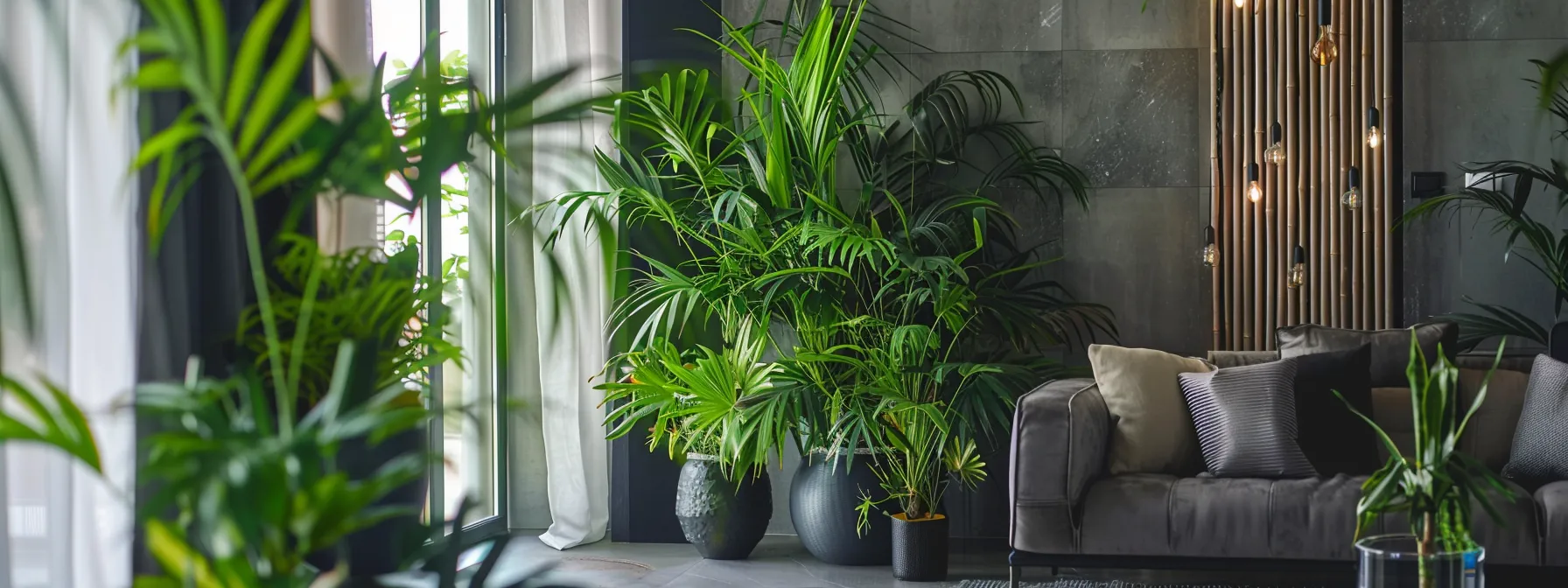
Investing in high-quality artificial plants often results in minimal maintenance and long-term durability. Unlike real plants, which require watering, pruning, and specific light conditions, faux plants only need occasional dusting and cleaning to stay looking fresh. It’s this low-maintenance allure that makes them a practical yet beautiful addition to any space.
One must also consider the cost-effectiveness of artificial plants. While the initial investment may be higher for premium options, the absence of ongoing care costs and the product’s longevity make it a financially sound long-term decision. Moreover, purchasing from retailers who offer warranties or guarantees on their products further protects this investment.
Beyond the economic perspective, choosing high-quality artificial plants also conveys an environmental message. High-quality faux plants rarely need replacement, reducing waste and the environmental impact of manufacturing and shipping lower-quality, short-lived alternatives.
The art of choosing artificial plants that offer the perfect blend of aesthetic appeal and durability lies in scrutinizing their details, materials, and suitability for your space. Through careful selection, one can enjoy the timeless beauty of lush greenery and floral accents without the fleeting nature of the real thing. For anyone seeking to breathe life into their surroundings, high-quality artificial plants offer a fuss-free, evergreen solution.
Leave a Reply