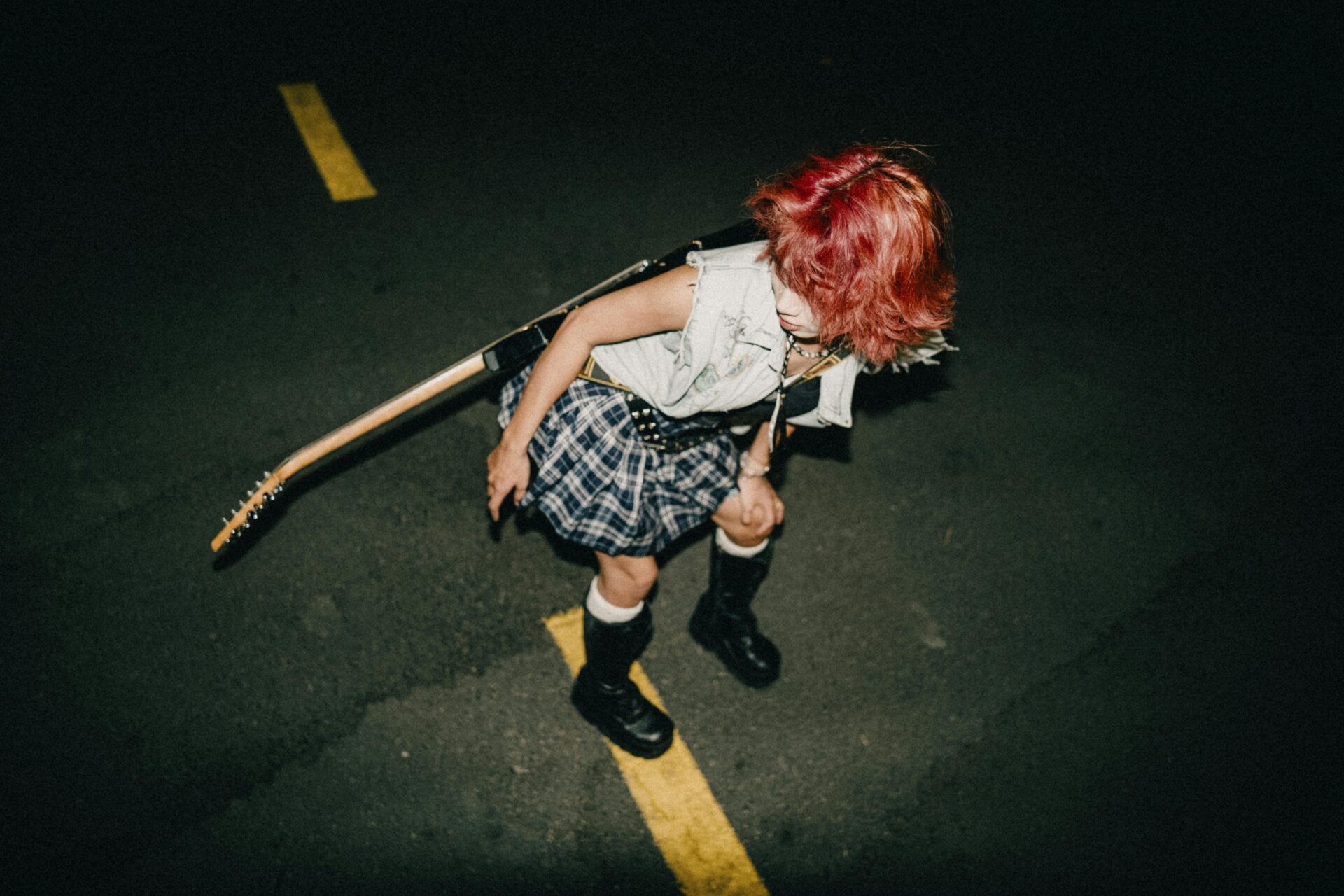
Throughout modern history, music and fashion have shared a deep and ever-evolving relationship. From the rebellious leather-clad rockers of the 1950s to the genre-defying trendsetters of today, music doesn’t just influence what we hear – it shapes how we dress. Fashion gives music a visual identity, and in turn, music gives fashion meaning. Together, they form a cultural language of expression, attitude and belonging.
Featured Image: Photo by Khoa Võ
Music as a Style Movement
Each major musical movement has introduced its own distinct style, often reflecting the values, emotions and messages of its time. In the 1960s, The Beatles inspired tailored mod fashion and mop-top haircuts. The punk explosion of the 1970s, led by bands like the Sex Pistols and The Clash, introduced ripped clothing, safety pins and DIY aesthetics as symbols of rebellion and social defiance.
The 1980s ushered in glam rock and heavy metal, with dramatic hair, leather jackets and bold makeup becoming mainstream. Hip-hop, born from the streets of New York, brought with it oversized clothing, bucket hats and designer sneakers – fashion statements that remain relevant today.
As genres evolved, so did their styles. Grunge emerged in the 1990s with Nirvana and Pearl Jam, redefining fashion through flannel shirts, combat boots and a laid-back, unpolished look. Today, artists often blend genres and styles, creating a mix of vintage and modern aesthetics that reflect the hybrid nature of contemporary music.
Fashion as a Reflection of Sound
Fashion gives form to sound. The way an artist dresses on stage or in a music video can set the tone for how audiences interpret their sound. A minimalist outfit might suggest introspective lyrics, while an avant-garde ensemble could point to experimental artistry.
Moreover, fans don’t just listen—they emulate. Music-inspired fashion allows fans to become part of the culture, turning personal taste into a shared identity. Wearing a certain style associated with a genre or artist sends a message about who you are and what you believe in.
Band Merch: More Than Just a Souvenir
Band merchandise is one of the most tangible ways this connection plays out. From T-shirts and hoodies to patches and pins, merch turns sound into something wearable. It’s both a fashion statement and a form of loyalty – declaring your love for a band, a genre or a moment in music history.
What’s more, today’s band merch isn’t just limited to gig memorabilia. It has evolved into a legitimate fashion category, often seen on runways and worn by influencers. Vintage designs, reissued album artwork and exclusive collaborations have made official merch a sought-after style item, even for those who may not be hardcore fans.
This trend isn’t limited to rock or indie music either—fans of other genres, especially K-Pop, also express their love through collectibles and accessories. If you’re looking for something unique, checking out an official K-Pop light stick store can offer a glimpse into how music-inspired gear becomes part of a fan’s identity. These light sticks aren’t just flashy accessories—they’re an essential part of the concert experience, often used by fans to create coordinated light shows during performances. Owning one can make fans feel more connected to both the music and the larger community around it.
If you’re looking for authentic and stylish pieces that celebrate the legacy of music, the collection of rock music merchandise at Backstage Originals is a great place to start. Their range includes officially licensed designs that honour the icons of rock while delivering timeless style.
Artists as Fashion Icons
Some musicians have left as much of a mark on fashion as they have on music. David Bowie’s ever-changing style redefined glam and gender fluidity. Madonna’s lace gloves and corsets reshaped pop fashion. Kurt Cobain’s thrift-store grunge look became a global trend. Today, artists like Harry Styles, Billie Eilish and Lizzo continue to break fashion norms and inspire fans to do the same.
These artists use clothing not just to look good but to tell stories, challenge conventions, and reinforce their musical messages.
The Ongoing Collaboration
Fashion and music industries continue to intersect through designer collaborations, merch collections and even music-inspired fashion lines. Festivals, music videos and social media have only deepened the relationship, making style and sound inseparable parts of the cultural landscape.
As long as music remains a powerful form of personal and collective expression, fashion will continue to play an essential supporting role. Together, they shape trends, movements and the identities of those who live and breathe both.
Closing Thoughts
The connection between music and fashion is more than surface-level. It’s a deep, dynamic relationship built on shared values of creativity, identity and expression. From stage costumes to everyday fan gear, music-inspired fashion allows people to wear what they feel and feel what they wear.
Whether you’re paying homage to a classic era or embracing the sound of today, exploring this link can be both stylish and meaningful.
Leave a Reply