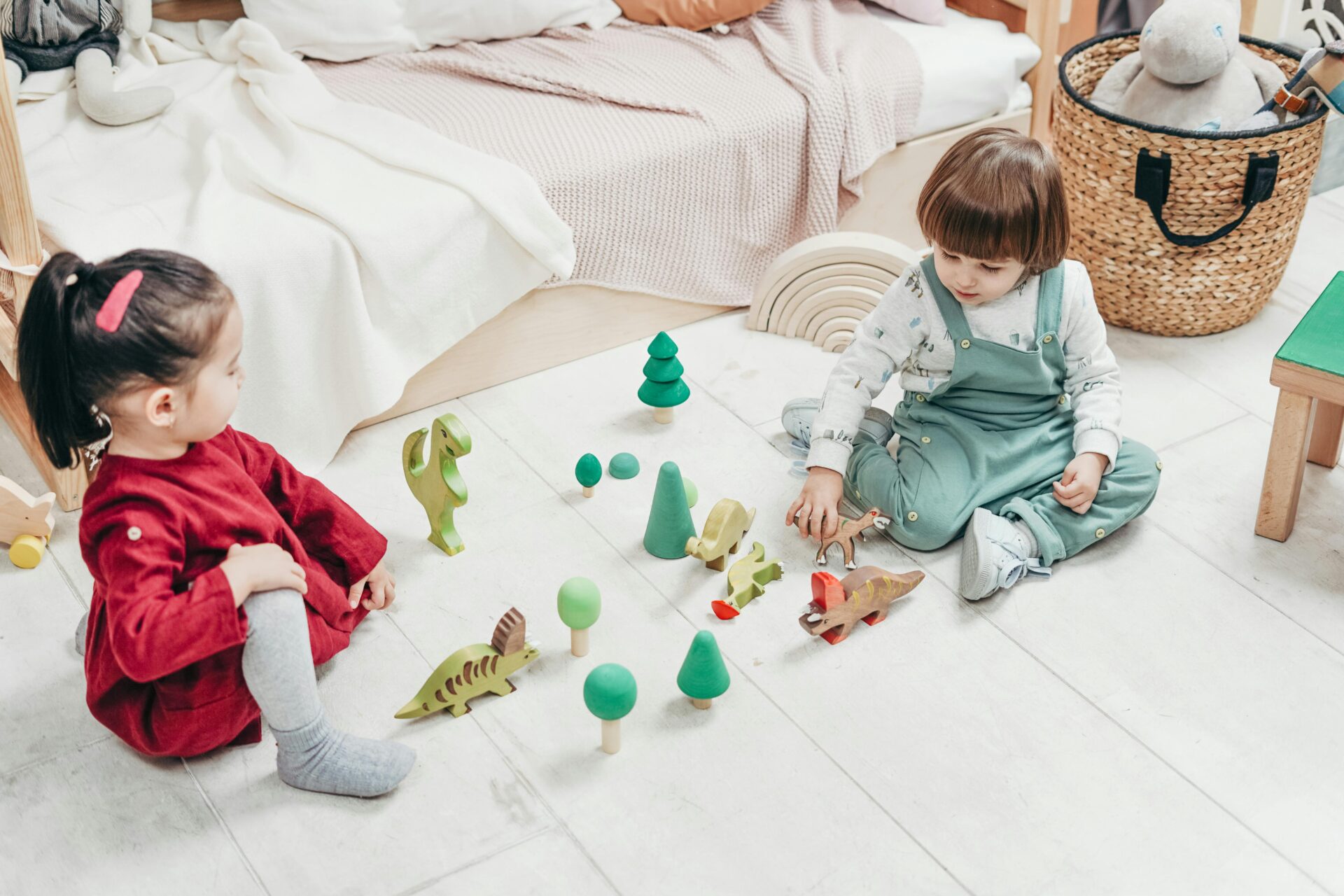
AD | Getting young kids dressed each day can be a small challenge. Clothes need to be easy to wear, safe for sensitive skin, and strong enough for play. Parents also want their children to look good without adding stress to the morning routine. With so many options out there, it helps to know what works best.
Featured Image: Photo by cottonbro studio
This list shares five helpful tricks that make daily dressing easier and more effective. These tips focus on comfort, ease, and style, without being hard to follow. Whether you’re heading to daycare, going for a walk, or just spending time at home, these ideas can help you build a better wardrobe for your little one.
1. Choose Clothes That Do Double Duty
Clothing for young children works best when it can be used in many situations. Items that are fine for both play and visits with family are a smart choice. Matching sets are helpful because they take the guesswork out of choosing what to wear.
Many online stores now offer ready-to-go combinations that feel soft and look nice. For example, a wide range of toddler boy clothes can be found that focus on comfort, durability, and design. These often include stretchable parts, soft fabric, and simple styles that are easy to care for.
Some shops also focus on comfort by using light materials that allow air to pass through. This helps children stay calm and happy while playing, sitting, or resting. When clothing does more than one job, it saves time and effort. Parents can pick items that are easy to mix, easy to clean, and gentle on young skin.
2. Let Their Personality Shine Through
Even at a young age, children start showing signs of what they like. Some may enjoy certain colours or fun shapes on their tops. Picking clothing that matches these small interests helps them feel more involved. It also makes dressing something they look forward to, not something to fight about.
You don’t need a large number of themed clothes. Just a few items with animals, cars, or simple patterns are enough. They can be paired with plain items to make many looks. When kids like what they wear, they are more likely to stay in those clothes all day without fuss. It helps build early habits and keeps daily tasks more enjoyable for everyone.
3. Size with Growth in Mind
Children grow fast. This means their clothes may not fit for long. Choosing items that leave a little space or stretch can help you get more use from them. Look for things like soft waistbands, loose fits, or pieces that adjust in size. These features help make one outfit last through several growth stages.
Planning ahead also helps. Keep a small box of the next size up so you can switch it when needed. This saves time and avoids last-minute shopping. Buying this way helps both your wallet and the environment. With a few smart choices, you can reduce waste while making sure your child always has clothes that fit well and feel right.
4. Use Light Layers to Keep Them Comfortable
Little kids often move between places with different temperatures. One minute they’re outside in the sun, the next they’re inside where it’s cooler. That’s why layers work well. A short-sleeved top under a hoodie or a simple sweater over a tee gives them the comfort they need without full outfit changes. This method keeps them warm or cool as needed, and helps with changes during the day.
Thin cotton sweaters, zip-up jackets, or cardigans are useful for this. These feel light and can fold into a bag when not in use. Layering also helps extend the use of warm-weather pieces. For example, summer outfits can still work during cooler months by adding a long-sleeved shirt or leggings underneath. This saves space, lowers the need to shop often, and keeps kids relaxed in any setting.
5. Organise by Outfit, Not by Item
Mornings with small children can be busy and sometimes a little stressful. One way to make things easier is to keep full outfits grouped together. Instead of sorting tops in one drawer and bottoms in another, try folding full sets into one space or hanging matched pieces on the same hanger. This makes it faster to dress your child without needing to search for matching items.
This simple method helps parents make quick choices without delay. It also keeps things tidy and lowers the chance of picking clothes that don’t go well together. By planning ahead and setting up outfits in advance, dressing time becomes smoother and less tiring. It’s a small step that makes a big difference when caring for little ones each day.
Conclusion
Getting young children dressed doesn’t need to feel like a task. By choosing smart pieces, using layers, and planning ahead, you can make things much simpler. These steps support comfort and save time. With a bit of effort, your child can look good, feel better, and enjoy the day right from the start.
Leave a Reply