
AI for Wellness Tracking: Mindfulness, Nutrition, Beauty — All in One
AD | The intersection of artificial intelligence (AI) and personal wellness has moved far beyond fitness apps and calorie counters. Today, advanced algorithms power platforms that track mindfulness, refine nutrition, and optimise beauty routines with scientific precision. These innovations combine holistic wellbeing with data-driven insights, offering people a new way to harmonise mind, body, and lifestyle.
This expert article explores how AI systems unify three pillars of wellness—mindfulness, nutrition, and beauty—and what the future of “intelligent self-care” may look like.
AI and Mindfulness: Digital Paths to Mental Balance
Understanding Stress Through AI Sensors
Mindfulness is about recognising stress, tension, and emotion. AI now interprets heart-rate variability, breathing patterns, and even voice tones to detect early signs of stress. Wearable devices, from smartwatches to neural headbands, collect biometric data that AI interprets in real time.
Expert commentary: “AI doesn’t just measure stress—it predicts it. By recognising subtle changes in physiology, it can suggest breathing exercises or mindful pauses before stress escalates,” explains Dr. Amelia Clarke, neuroscientist at King’s College London.
Personalised Meditation Guidance
Instead of generic meditation tracks, AI tailors mindfulness sessions. Algorithms adapt background music, session length, or guided affirmations depending on the user’s mood profile. Studies from 2023 show that personalised meditation using AI improved adherence rates by 27% compared to static programs.
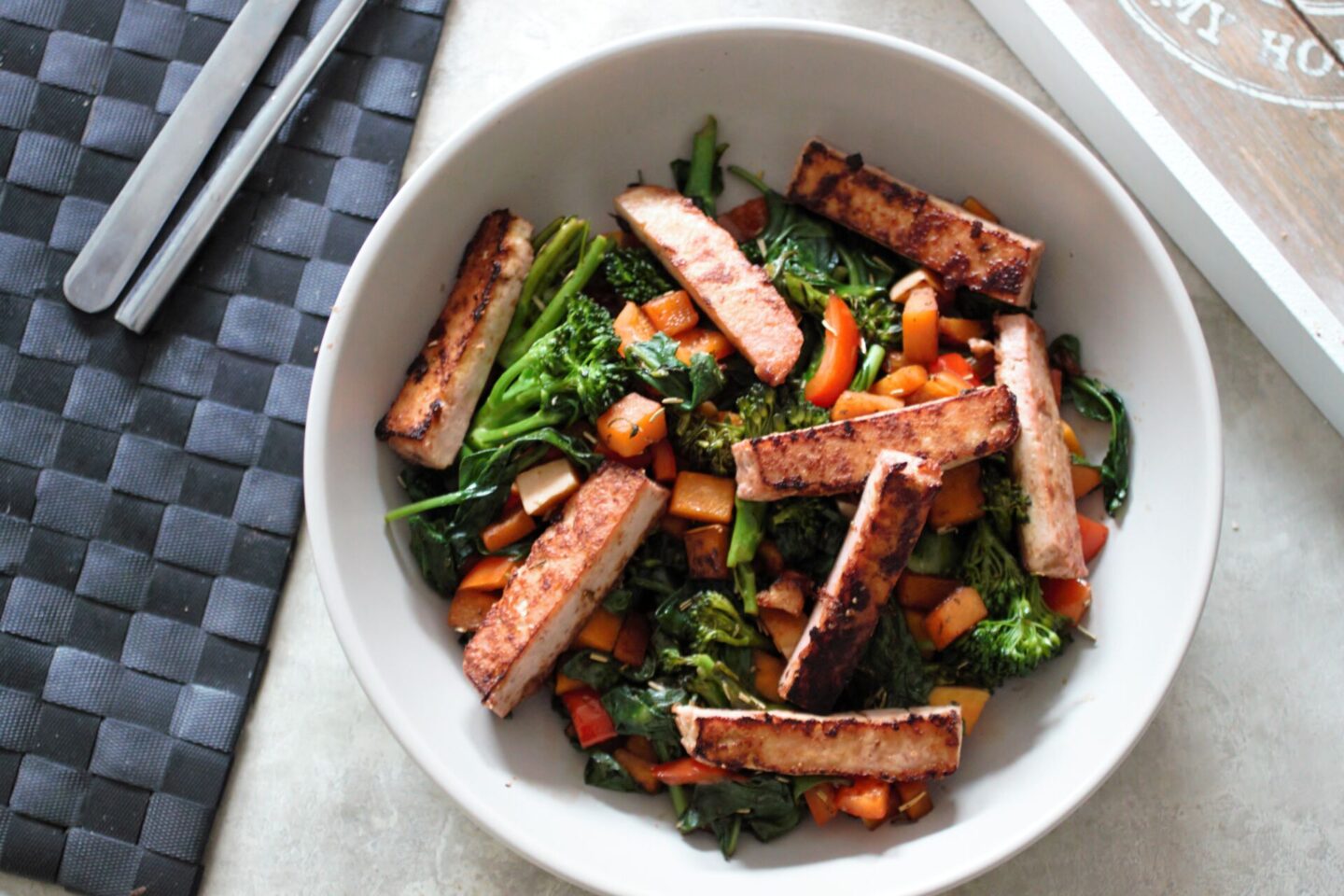
Nutrition Intelligence: From Calories to Chemistry
AI for Precision Dieting
Nutritional apps powered by AI no longer stop at calorie counts. They analyse macronutrient balance, micronutrient deficiencies, and even interactions with personal health data. For vegans or those with allergies, AI ensures optimal substitutes without nutritional gaps.
Predictive Wellness via Food Tracking
Machine learning models anticipate potential deficiencies before symptoms arise. For example, a user logging lower-iron foods may receive proactive suggestions for spinach-based smoothies or fortified cereals.
Expert commentary: “AI transforms diet tracking into a preventative healthcare tool rather than a reactive one,” notes Professor Ethan Marshall, nutritionist at the University of Leeds.
Beauty Routines Enhanced by AI
Skin Health Diagnostics
AI-powered skin scanners evaluate tone, texture, and hydration using smartphone cameras. These analyses surpass the human eye in detecting micro-wrinkles or pigmentation. By tracking changes over time, users receive evidence-based recommendations for skincare routines.
Ingredient Transparency and Customisation
Beyond diagnostics, AI reviews product ingredients against dermatological databases. It flags allergens and harmful additives, guiding consumers toward plant-based, eco-friendly options. Platforms also use AI to design custom serums, blending natural actives tailored to an individual’s skin microbiome.
Integrating Wellness: One AI Hub for the Whole Self
Unified Dashboards
Modern AI wellness platforms consolidate meditation reminders, meal suggestions, and skincare advice into a single app. Users view stress levels, dietary progress, and skin reports side by side, gaining an interconnected understanding of their health.
Conversational AI as a Wellness Companion
In practice, people don’t want to juggle three separate platforms. Here conversational tools, such as Free AI Chat, become central. A single interface can remind someone to drink water after analysing sleep data, suggest a calming meditation when stress rises, and recommend a skin-hydrating recipe—all in natural conversation. This integration feels seamless, supporting self-care without overwhelming the user.
Challenges and Ethical Considerations
Data Privacy and Security
Collecting biometric and lifestyle data raises concerns. AI platforms must prioritise encryption, informed consent, and user control over data sharing. Without trust, adoption stalls.
Avoiding Over-Dependence
While AI guides decisions, experts stress the need for human agency. Technology should empower, not replace, personal intuition and professional medical advice.
Inclusivity and Bias
AI systems trained predominantly on certain demographics may misinterpret signals from diverse populations. Developers must ensure inclusive datasets to avoid skewed outcomes in skincare or nutritional analysis.
Future of AI in Holistic Wellness
Predictive Preventive Care
Within the next decade, AI is expected to predict migraines, nutrient deficiencies, or skin flare-ups days in advance. This proactive capacity positions AI as an essential partner in preventive healthcare.
Cross-Platform Ecosystems
Collaboration across fitness trackers, nutrition apps, and dermatology platforms will deliver interconnected wellness ecosystems. Imagine an app adjusting skincare hydration advice based on a heatwave forecast while adapting meditation prompts to anticipated sleep disruption.
Human-AI Collaboration
The most promising vision isn’t AI replacing experts but enhancing them. Dietitians, dermatologists, and psychologists can use AI dashboards to craft personalised strategies at a level of detail impossible without machine support.
Conclusion
AI for wellness tracking represents a paradigm shift—bridging mindfulness, nutrition, and beauty into a single, intelligent framework. Instead of fragmented routines, individuals gain holistic guidance informed by real-time data and predictive analytics.
The future is not about technology dictating wellbeing but about collaboration between AI insights and human intention. With careful attention to ethics, inclusivity, and data security, AI will continue to evolve into a trusted companion for a balanced, healthier, and radiant life.
Leave a Reply