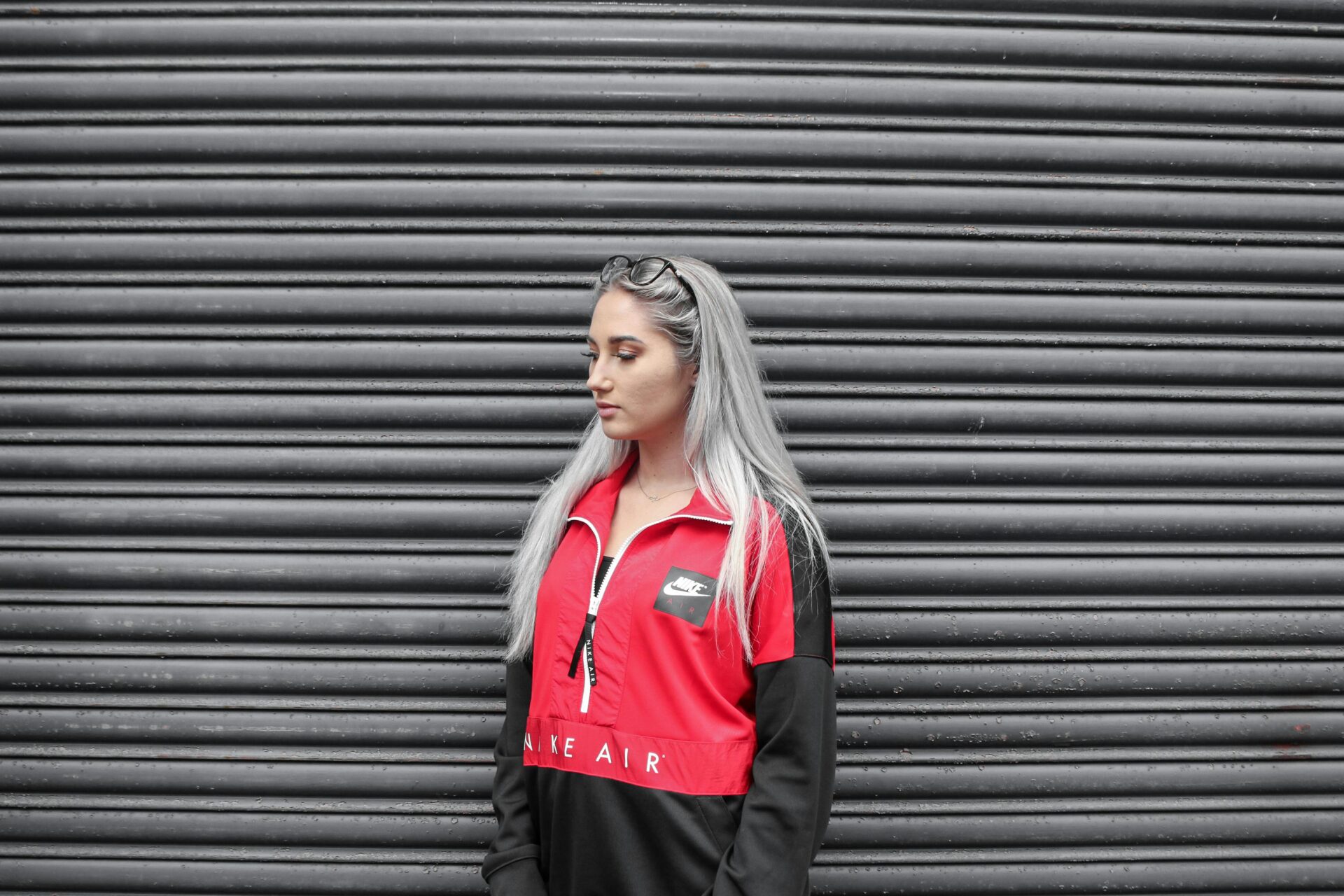
AD | Streetwear has evolved from a niche subculture into one of the most powerful forces in global fashion. Once dismissed as casual wear for skaters and underground communities, streetwear now influences luxury designers, dominates fashion runways, and speaks volumes about identity, community, and resistance.
Photo by CRXXMZ
Roots in Rebellion
Streetwear’s origins lie in the rebellious spirit of the 1970s and 80s, particularly within surf, skate, and hip-hop communities in the United States. Brands like Stüssy, Supreme, and FUBU weren’t created in boardrooms—they were built on the streets, often by and for people who felt excluded from mainstream fashion. These labels didn’t just sell clothing; they sold a message of authenticity, defiance, and belonging.
This ethos quickly resonated with youths who saw fashion as a way to express values rather than conform to them. Baggy jeans, graphic tees, sneakers, and hoodies became more than clothes—they were a voice.
Streetwear Meets High Fashion
Fast forward to the early 2000s, and things began to shift. High-end designers like Marc Jacobs and brands like Louis Vuitton started drawing from streetwear aesthetics, incorporating sneakers, oversized silhouettes, and bold logos into their collections. The rise of designer collaborations—think Supreme x Louis Vuitton or Nike x Off-White—blurred the lines between street and luxury.
This shift marked a major turning point. Streetwear was no longer just a subculture—it was a global trendsetter. Suddenly, the same hoodie that once symbolized rebellion was being worn by celebrities on red carpets and featured in elite fashion editorials.
The Rise of Inclusive Streetwear
One of the more recent—and significant—developments in streetwear is its push toward inclusivity. While early streetwear often catered to a narrow demographic, today’s designers are creating collections that celebrate different sizes, ethnicities, and identities.
This movement toward accessibility and representation has led to a broader embrace of streetwear by people from all walks of life. Retailers and independent labels are now creating pieces that speak to the same sense of individuality and confidence while catering to diverse body types. For example, finding plus size wedding outfits UK that combine elegance with a street-style edge is becoming easier, thanks to brands that understand the modern woman’s need for both fashion and function.
A Cultural Statement Beyond Fashion
At its core, streetwear has always been about more than clothes. It’s about culture, community, and storytelling. The logos, designs, and drops represent shared experiences—music, politics, sports, and social movements. From protest slogans on tees to gender-neutral silhouettes, streetwear serves as a mirror of society’s shifting values.
Streetwear has also become a way for young creatives to break into the fashion world without traditional gatekeepers. Through social media and direct-to-consumer platforms, small brands can gain global traction and build loyal followings, further democratizing the fashion landscape.
Final Thoughts
Streetwear’s journey from underground counterculture to cultural cornerstone is a testament to its adaptability, authenticity, and relevance. As it continues to evolve, it carries with it the voices of the streets—diverse, bold, and unfiltered. What was once dismissed as casualwear now stands tall as a global movement that redefines modern style.
Leave a Reply