AD | What if your garden could do more than look good? What if it could help protect the planet, reduce waste, and save water, all while being a space you enjoy?
Sustainable gardening isn’t about perfection. It’s about being intentional with the way you grow, prune, plant, and care for your outdoor space. Whether you’re working with a full backyard or just a balcony setup, there are ways to shift your habits toward something more eco-friendly.
Let’s break down simple, impactful habits that can transform your garden into something greener and smarter.
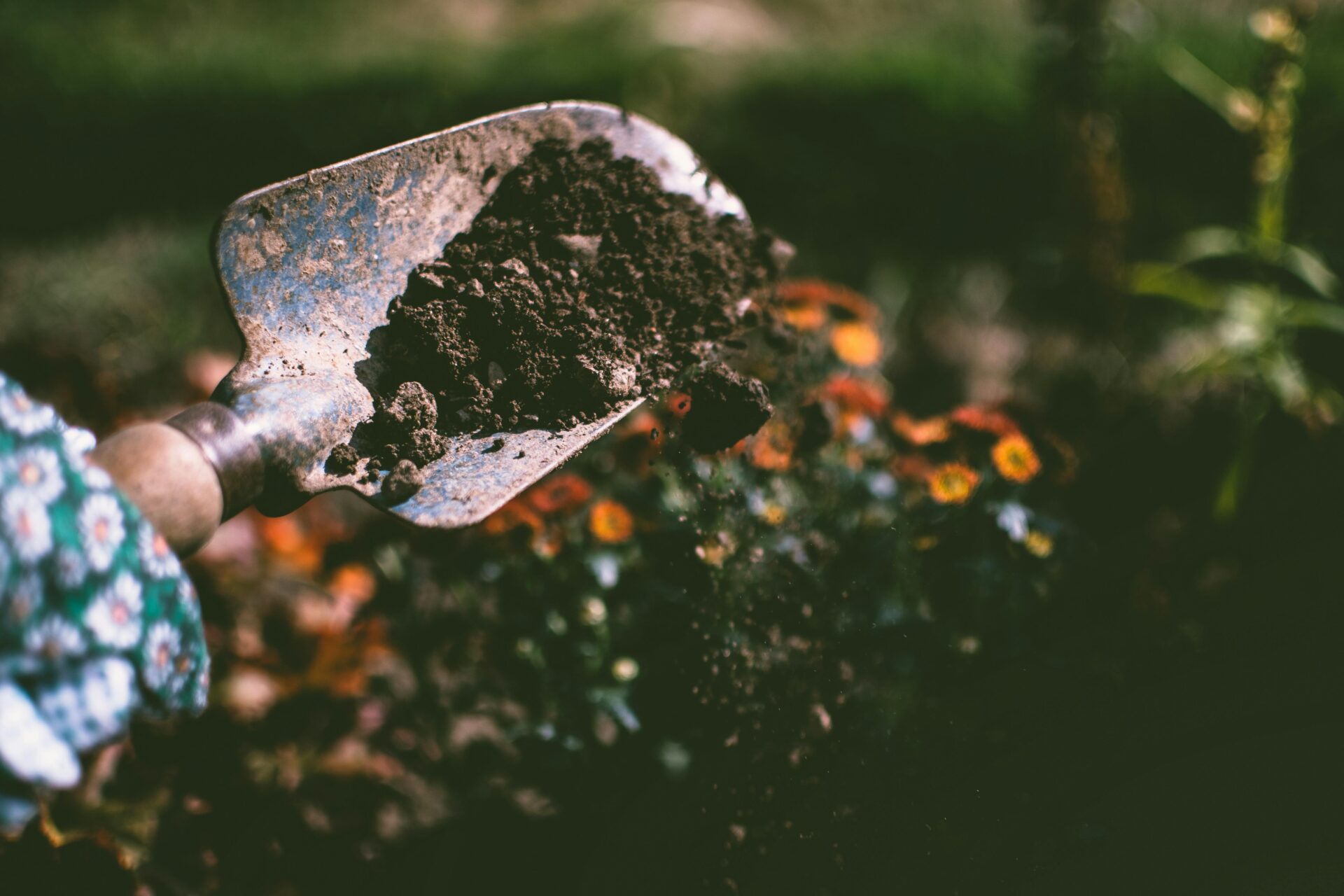
Photo by Lisa from Pexels
1. Choose Native Plants That Belong
Plants that naturally thrive in your region already understand the local climate, soil, and pests. That means they need less water, less chemical help, and less of your time.
Instead of chasing after trendy exotic flowers or imported shrubs, start researching native species. Local wildflowers, grasses, shrubs, and trees tend to require fewer resources and are more likely to support local pollinators like bees and butterflies.
Bonus: they’re often more resilient through seasonal changes and temperature shifts.
2. Swap Gas Tools for Cleaner Options
Traditional gas-powered lawn tools come with hidden environmental costs. Not only do they consume fuel, but they also emit carbon monoxide and other pollutants while in use.
If you’re still using a gas mower, this is a great time to switch to a cordless lawn mower. These battery-powered options run quietly, reduce air pollution, and don’t leak oil or gas into your soil. Most charge up quickly and can handle average-sized lawns without a problem.
You’ll notice a cleaner experience all around. No fumes, no pulling cords, and no surprise leaks on your grass or driveway. It’s a small change that adds up over time, especially when paired with other thoughtful swaps.

3. Start Composting Food and Garden Waste
Think of composting as nature’s recycling system. Food scraps, grass clippings, leaves, and even paper towels can all be broken down into nutrient-rich compost.
This material is gold for your garden. It improves soil health, helps retain moisture, and feeds your plants naturally. Plus, you’ll be cutting back on what ends up in the landfill.
You don’t need much space. Even a compact compost bin can make a difference. The key is to balance green materials (like fruit peels and veggie scraps) with brown materials (like dry leaves or cardboard). Stir it occasionally, and in a few months, you’ll have healthy compost to use in your beds and pots.
4. Rethink How You Use Water
Water is one of the biggest resources used in gardening, and it’s often wasted without us realizing it. Whether you’re overwatering or relying on inefficient sprinklers, some habits can be improved with small tweaks.
Try watering early in the morning or later in the evening to reduce evaporation. Avoid watering the leaves and focus on the roots instead. And if you haven’t already, look into a drip irrigation system or soaker hoses, which deliver water more directly and slowly.
Collecting rainwater is another easy, smart solution. Place a barrel or container under a downspout and use that stored water during dry spells. It’s free, chemical-free, and better for your plants.
5. Use Mulch to Protect and Preserve
Mulch is more than just decorative. It acts like a protective barrier over your soil, helping to:
- Hold in moisture, reducing how often you need to water
- Block out weeds, which means less chemical use and manual weeding
- Moderate temperature, keeping roots cooler in summer and warmer in winter
- Add nutrients if you’re using organic mulch like wood chips, bark, or shredded leaves
Apply it in a layer about 2 to 3 inches thick, making sure not to pack it directly around the base of plants. Your soil stays healthier, and your garden gets a neater look as a bonus.
6. Welcome the Right Insects and Critters
Not all bugs are bad. In fact, many are your garden’s quiet heroes. Ladybugs eat aphids. Bees pollinate flowers. Earthworms improve soil. Even birds can help with pest control.
Creating a garden that supports beneficial wildlife means fewer pesticides and a more balanced ecosystem. Here’s how to encourage them:
- Plant nectar-rich flowers for bees and butterflies
- Leave small piles of leaves or wood for beetles and spiders
- Add a shallow water dish for birds and insects
- Avoid harsh chemical sprays that harm helpful species too
The more diverse your garden is, the more self-sustaining it becomes.
7. Think About Garden Waste Differently
Throwing everything in the trash after pruning or planting doesn’t need to be the norm. Yard waste is often full of life—branches, leaves, cuttings, and even weeds can be reused in creative ways.
- Shred leaves and use them as mulch or add to compost
- Chop up dead plants to break down faster in compost
- Use cut branches to build garden supports or natural trellises
- Collect seed heads and store them for the next planting season
Treat garden waste as a resource, not a problem. You’ll reduce the need to buy as many new materials each season, and your garden will start to feed itself in more ways than one.
8. Avoid One-Season Plants and Trends
It’s tempting to buy new plants each year that only last a season. But this habit creates waste and leads to more replanting, more watering, and more soil disturbance.
Perennials, which come back year after year, are a better long-term investment. Not only do they save you money and effort, but they also help build stronger root systems in your soil.
Likewise, be cautious with decorative trends that rely on single-use elements like plastic borders, synthetic turf, or throwaway planters. Choose materials that last, that can break down naturally, or that can be repurposed over time.
A Greener Garden Starts with One Shift
You don’t need to change everything overnight. The most sustainable gardens are built step by step, habit by habit. Choose one or two changes that feel doable right now, and build from there.
Over time, your space will become less wasteful, more rewarding, and more connected to the natural world around you. Sustainable gardening isn’t about giving anything up: it’s about getting more from your space, without taking more than you need.
Leave a Reply