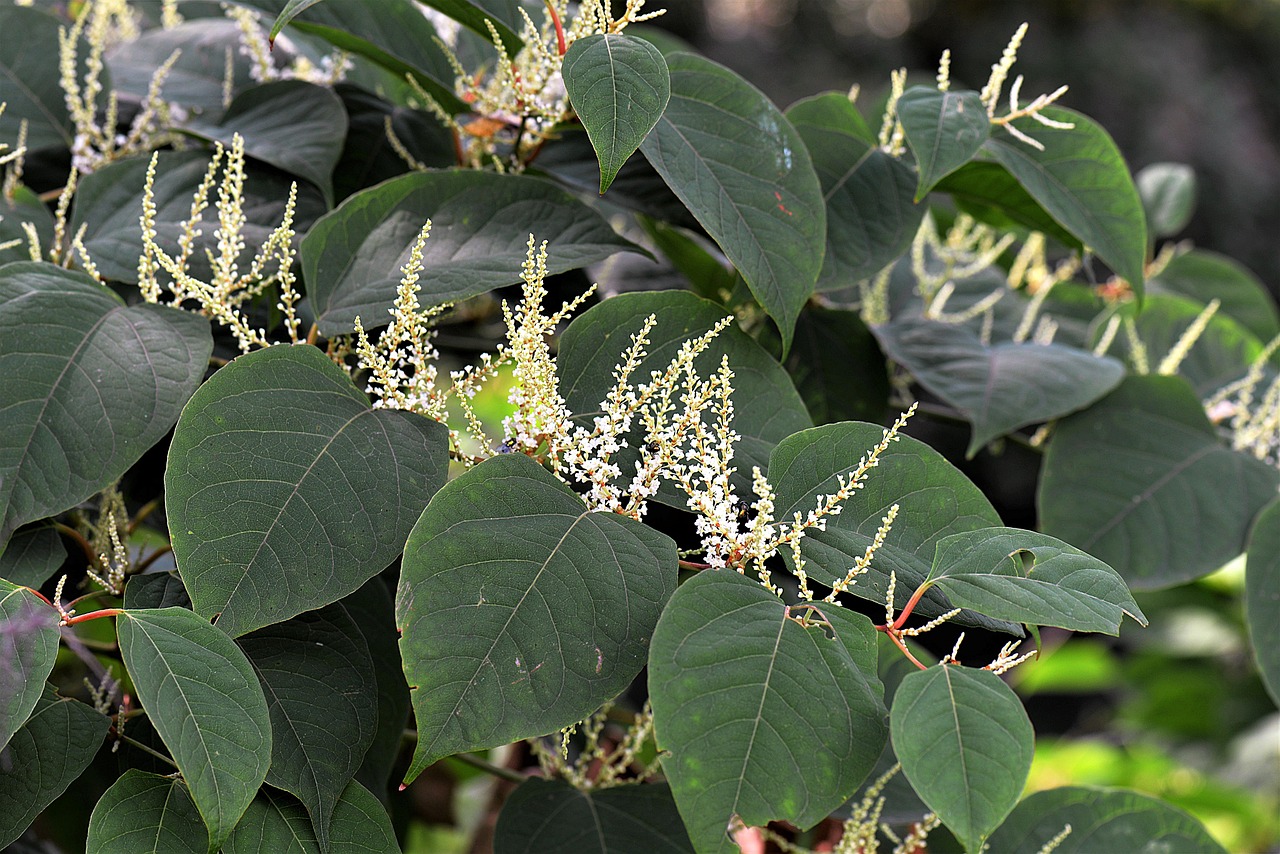
AD| Japanese Knotweed, scientifically known as Fallopia japonica, is a plant that has garnered
significant attention and concern due to its invasive nature. Originally introduced to the UK from
Japan in the 19th century as an ornamental plant, its rapid growth and resilience have since
made it a problematic species in various parts of the world. This blog delves into understanding
and identifying Japanese Knotweed, outlining its characteristics, impacts, and why it’s vital to
manage its spread.
Featured Image: Image by Erwin from Pixabay
What is Japanese Knotweed?
Japanese Knotweed is a large, herbaceous perennial plant known for its vigorous growth. It can
grow up to 2-3 metres in height during the summer and features broad oval-shaped leaves and
hollow stems that resemble bamboo. Despite its attractive appearance, Japanese Knotweed is
a cause for concern, especially in urban and suburban areas.
Why is Japanese Knotweed a Problem?
● Rapid Growth and Spread: Japanese Knotweed can grow up to 10 cm per day in its
peak growth season. It spreads predominantly through its underground rhizomes, which
can extend to several metres outward and downwards.
● Structural Damage: The plant’s roots can exploit cracks or weaknesses in concrete,
walls, foundations, and drainage systems, potentially causing significant structural
damage to buildings and infrastructure.
● Biodiversity Loss: As an invasive species, Japanese Knotweed outcompetes native
plants for space, light, and nutrients, leading to a decrease in local biodiversity.
● Economic Impact: Managing and eradicating Japanese Knotweed can be costly. Its
presence on a property can devalue it and potentially lead to legal disputes.
Recognising Japanese Knotweed
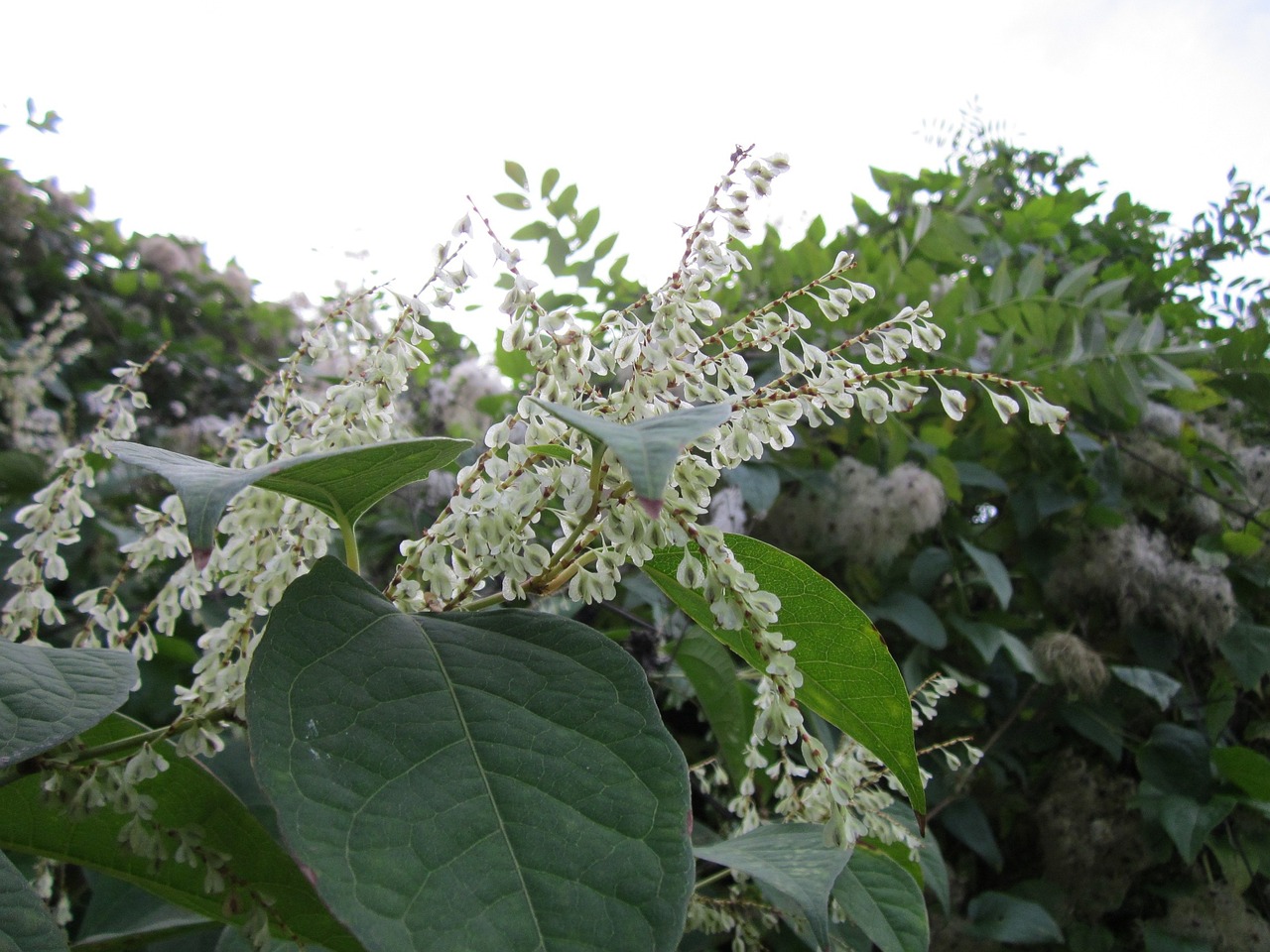
Recognising Japanese Knotweed is crucial for early intervention. Here are key features to help
identify the plant:
● Leaves: The leaves are heart or shovel-shaped, bright green, and around 10-15 cm in
length. They grow in a zig-zag pattern along the stem.
● Stems: The stems are hollow, green with purple speckles, and have a bamboo-like
appearance. They can reach up to 3 metres in height.
● Flowers: The plant produces creamy-white flowers that form in clusters, typically
blooming in late summer or early autumn.
● Rhizomes: The underground rhizomes are thick, knotty, and brown on the outside but
orange or yellow inside.
The Life Cycle of Japanese Knotweed
Understanding its life cycle can aid in its management:
● Spring: Red or purple shoots emerge from the ground and grow rapidly, forming canes.
● Summer: The plant reaches full height with fully formed leaves and stems.
● Late Summer/Autumn: Flowers appear and the plant reaches its peak growth.
● Winter: The plant dies back, leaving behind brown, hollow stems, but the rhizomes
remain active underground.
Managing and Controlling Japanese Knotweed
● Early Detection: Early identification and intervention are crucial in managing Japanese
Knotweed. Regular monitoring of your property for signs of this invasive species is
important.
● Professional Removal: Due to its resilient nature, professional removal is often
necessary. This may involve chemical treatment, excavation, or a combination of
methods.
● Legal Obligations: In many regions, there are legal obligations and guidelines for
managing Japanese Knotweed. It’s crucial to be aware of and adhere to these
regulations.
● Disposal: Disposing of Japanese Knotweed requires care, as any remaining fragments
can regrow. It must be disposed of at licensed disposal sites.
● Long-term Monitoring: Even after removal, long-term monitoring is essential to ensure
that the plant does not re-emerge.
Impact on Property and Legal Issues
Japanese Knotweed can impact property values and lead to legal disputes. Property owners
might be liable if they allow the plant to spread to neighbouring properties. It’s advisable to
consult with legal experts if Japanese Knotweed-related property or boundary disputes arise.
● Early Identification and Regular Monitoring: The first step in managing Japanese
Knotweed is to identify it early. Familiarise yourself with its appearance throughout its
growth cycle, as described earlier. Regularly inspect your property, especially during
spring and summer when the plant grows rapidly. Early detection allows for more
manageable and less costly control measures.
● Avoid Disturbance and Spreading: Be cautious not to disturb the plant unnecessarily, as
this can lead to its spread. Cutting, mowing, or flailing the plant can cause it to spread
more aggressively, as even tiny fragments of the plant can grow into new plants.
Additionally, avoid moving soil that has been contaminated with its rhizomes.
● Professional Removal and Treatment: Due to the plant’s aggressive nature, professional
removal is often the most effective method. Professionals use several methods,
including chemical treatment (herbicides), physical removal (excavation), and a
combination of both. These methods can take several years to be completely effective.
● Use of Herbicides: Applying appropriate herbicides is a common control method.
Glyphosate-based herbicides are often effective. It’s crucial to apply them during the
plant’s growing season for maximum effectiveness. This method usually requires
multiple applications over several years.
● Controlled Cutting: In some cases, controlled cutting can help manage Japanese
Knotweed. This involves cutting the canes to reduce the plant’s ability to
photosynthesize. This method is often used in conjunction with herbicide treatments.
Japanese Knotweed is a resilient and invasive species that poses significant ecological,
structural, and economic challenges. Recognising and managing this plant is crucial in
mitigating its impact. Property owners, gardeners, and land managers should be vigilant,
seeking professional advice and intervention where necessary. By understanding the
characteristics and life cycle of Japanese Knotweed, effective strategies can be implemented to
control its spread and reduce its adverse effects. In summary, while Japanese Knotweed may
appear as a harmless ornamental plant, its invasive nature demands attention and action.
Awareness and education about this species, along with responsible management practices,
are key to preserving structural integrity, biodiversity, and ecological balance. Addressing the
Japanese Knotweed problem proactively and responsibly is a commitment to environmental
stewardship and community well-being.
Leave a Reply