
Sustainability is something that’s very prevalent these days, and we hear more and more about being sustainable, brands claiming to be sustainable and products being sustainable, but ultimately, what does any of that even mean? And how does that translate to your everyday life.
There are three main elements of sustainability; environmental, social and economic. Many sustainability claims only relate to one of these things, and some companies try to encompass all of the above, so let’s look at what each of those things mean and how it relates to your day to day.
Types of Sustainability
Environmental
This is the one you probably jump to first when you think about sustainability. Focuses on minimizing environmental impact, conserving resources, and protecting ecosystems. This includes practices like using renewable energy, promoting sustainable agriculture, and reducing pollution, making things from recycled materials and using recyclable packaging.
Social
Emphasizes social equity, access to basic needs, and the well-being of communities. It involves fair labor practices, access to healthcare and education, and promoting social justice. This is where things like fairtrade farming come into play.
Economic
Unfortunately, sometimes sustainable products come with a price increase. That’s because this leg prioritises long-term economic viability, responsible resource management, and equitable distribution of wealth. This includes promoting sustainable industries and investing in innovation.
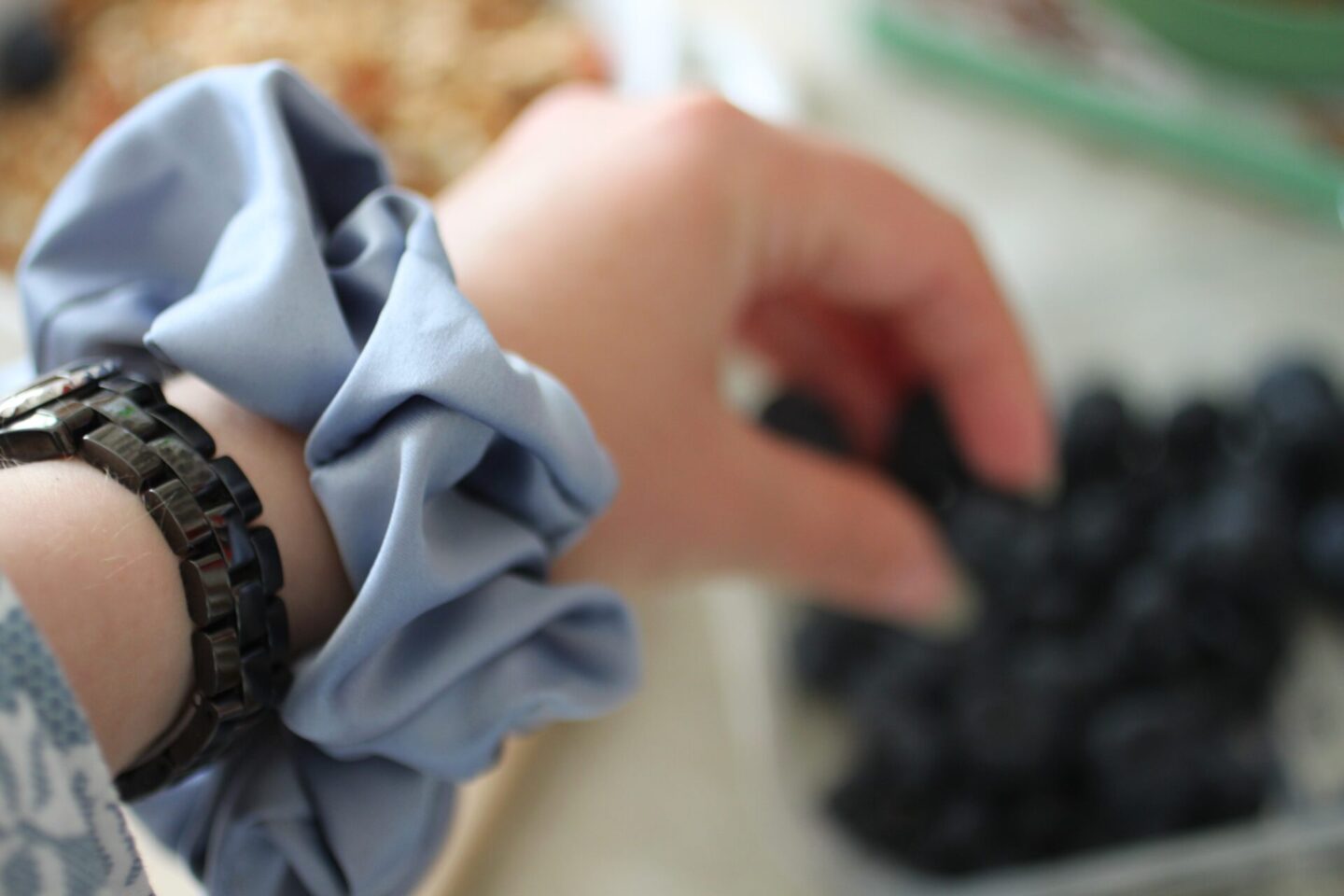
How to make your morning routine more sustainable
So, with all that in mind, you’re only one person. What small changes can you make to make your morning routine more sustainable.
Eat in Season
This helps more areas than you think – eating in season supports sustainable farming practices, your food isn’t going to be imported, so you’re helping your carbon footprint and seasonal produce is usually more affordable, so you’re helping your wallet too. What grows in season in your country typically flows with your natural cravings too – think summer berries and root vegetables in later autumn and winter. For more on how to eat in season, check out this seasonal recipe guide for more info.

Minimise Single Use Plastic and Waste
This one covers a huge range of products, and you probably can’t (realistically) cut out waste completely, but you can make mindful choices where possible. Whether that’s getting fruits and vegetables from a grocer in a paper bag rather than a supermarket in a plastic tray, looking into the companies you purchase from and checking how they source their materials, from using a plastic tube already made from recycled plastic, to using less outer packaging and only buying products with packaging that can be recycled after use, rather than single use plastic, there are lots of small steps you can take to help out. Look at brands like Upcircle to see more. You can also use things like shampoo bars and refillable deodorants to support this step.
Look for Fairtrade Products

Everything from your coffee to your cotton can be covered here. We’ve all heard of fairtrade coffee, but this can be extended to your clothing, towels and more. Buying fairtrade helps farmers/ producers live more economically sustainably and invest back into the land.
Sustainable Production Methods
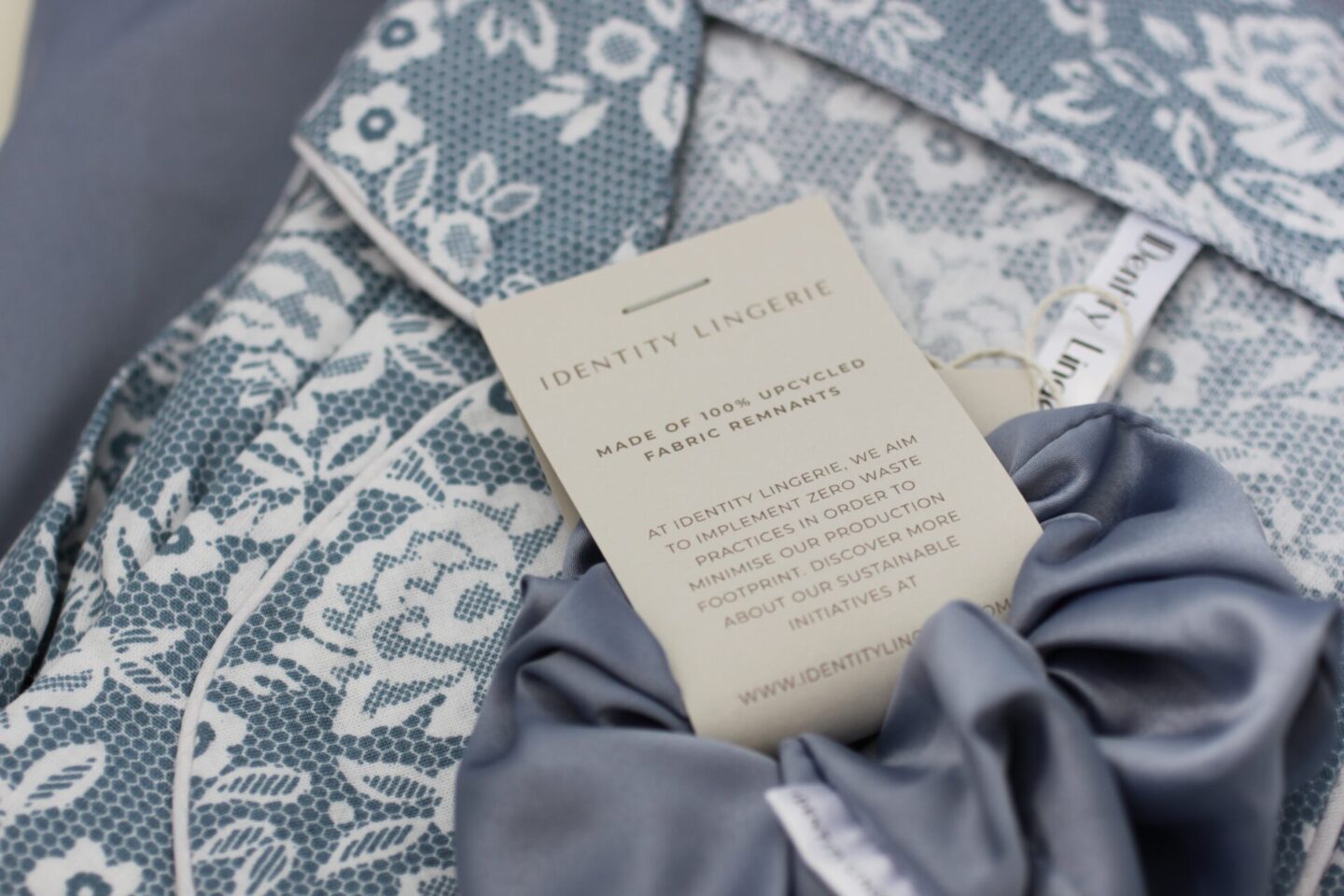
Linked to the last one, but this is about the company you buy from, not the original source. Some companies are loud and proud about their efforts to reduce waste, whether that’s repurposing waste materials or investment into wildlife protection, being reef safe etc. For example, REN package their Atlantic Kelp range in ocean plastic, or IDENTITY LINGERIE use their waste fabric from garments like women’s pyjamas (or maybe you fancy a see through dressing gown for summer) to make cute accessories like scrunchies and eye masks.
Try to Wear Natural Fibres
I know, i know everyone has a budget and polyester is always going to be cheaper. But, where you can, look for natural fibres like cotton, linen, wool, silk etc. When you’re done with it, the polyester in that shirt will live on in landfill far longer than a natural biodegradable fibre.
This guide doesn’t cover everything, but hopefully it gives you a few things to think about next time you’re making a new purchase and points you in the right direction to make whatever small changes you can manage.
Leave a Reply