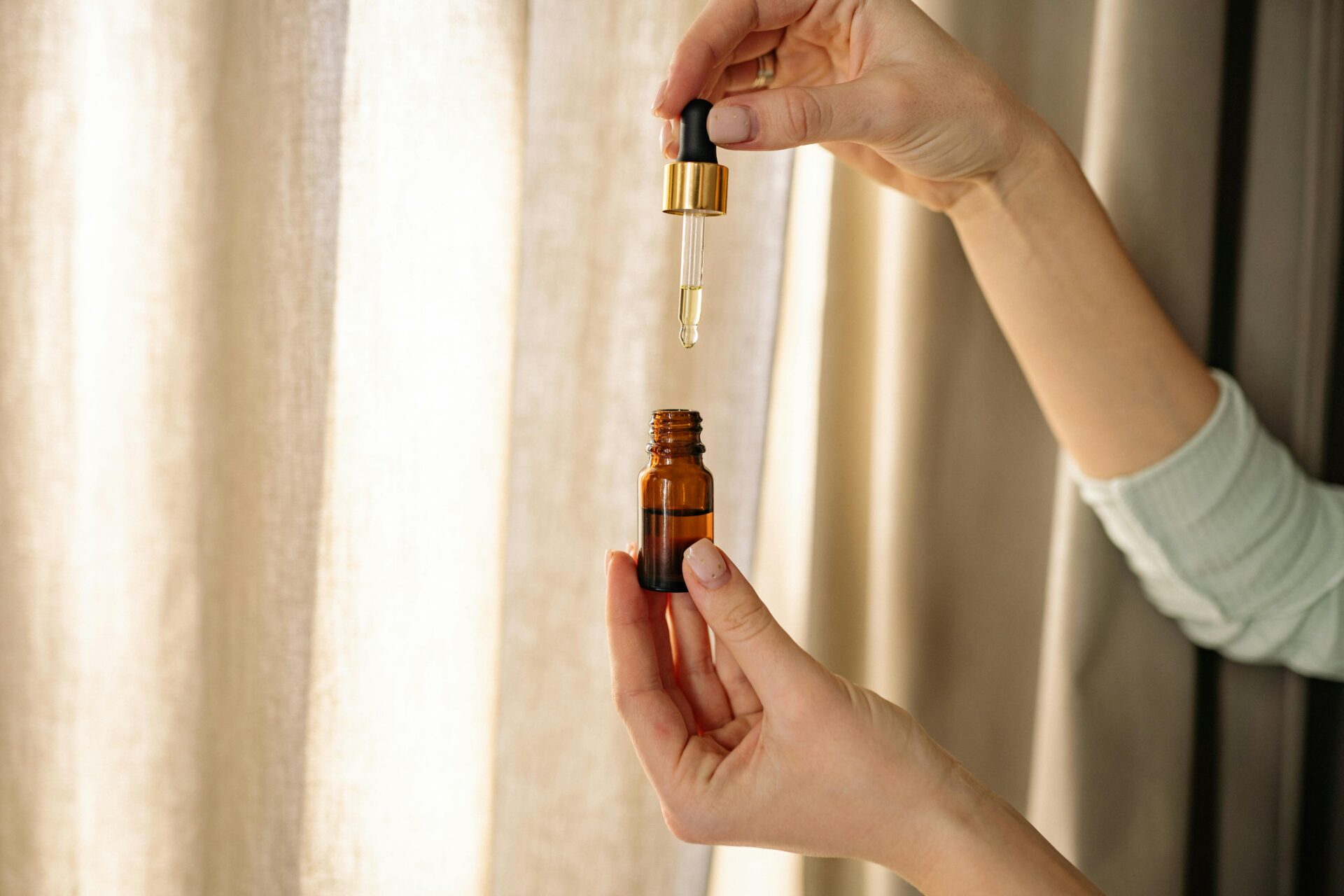
AD | The application of body and facial oils is a very important part of a skincare routine that nourishes, protects, and locks in moisture far more effectively than many traditional creams or lotions. Although there is always a belief that oils make the skin and hair feel greasy and sticky long after application.
Featured Image: Photo by Yan Krukau
However, this is quite the opposite, because when used correctly, oils can leave your skin glowing, rather than slick or shiny. Hence, this article will focus on how to build an oil-based skincare routine that delivers all the hydration your skin needs, without any of the heaviness you don’t need.
1. Understand What Oil Does to Your Skin
Before adding oils to your routine, it’s important to understand what they actually do and what your skin wants. Many confuse oil as a substance that hydrates the skin on its own; instead, it seals in moisture that’s already there.
When your skin is slightly damp, applying oil helps trap that water inside, keeping your skin soft and plump for hours. When choosing oils, you should always opt for options that complement your skin type and use them in the correct order so they don’t just sit on top of the skin.
2. Always Apply to Clean and Damp Skin
Applying oil to dry skin is one of the biggest reasons people end up feeling greasy. Oils lock in moisture, but if there’s no moisture to seal in, they just sit on top of the skin. After washing your face or stepping out of the shower, gently pat your skin dry with a towel, then proceed to apply the desired oil. This helps the oil blend with the water on your skin, making it absorb faster and feel lighter.
You can also mist your face or body with a hydrating spray before applying oil. This is because when using seabuckthorn oil for skin, it provides the oil with something to seal in, helping to prevent the slippery feeling.
3. Use the Right Amount
When it comes to oils, more product doesn’t mean more moisture, because using too much can overwhelm your skin and clog pores. Regardless of the time you apply it, two to three drops are usually sufficient.
It is also best to warm the oil between your palms and then gently press it into your skin rather than rubbing it. Pressing helps the oil sink in, rather than just spreading it around. Your goal should be achieving a thin, even layer that absorbs fully within a few minutes. However, if your skin feels slippery after 10 minutes, it is a clear indication that you’ve used too much.
4. Don’t Skip Exfoliation
If you’ve ever wondered why oils seem to remain on your skin even after long hours of application, it could be dead skin buildup. This is why exfoliation is crucial in an oil-based skincare routine because it clears away the top layer of dead cells that block absorption.
Gentle exfoliation once or twice a week can help keep your skin smooth, allowing oils to penetrate more deeply. This also allows your skin to absorb faster and look more radiant, rather than being greasy.
Endnote
Oils protect the skin’s natural moisture, soften roughness, and give you that healthy, luminous glow. However, you can only achieve this by selecting the right oil, applying it at the right time, and using the right amount, so that your skin never feels greasy.
Leave a Reply