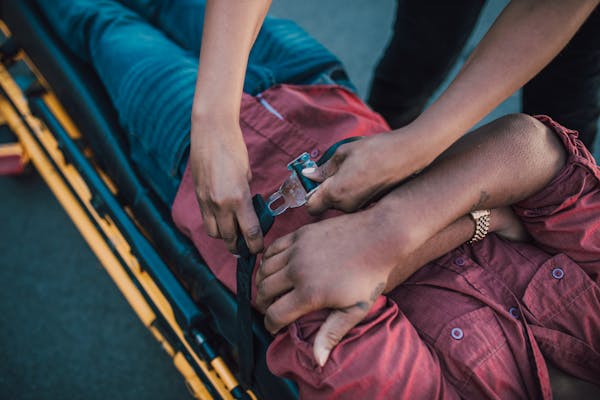
AD | Recovering from physical trauma is a complex process that requires comprehensive resources and support.
According to the WHO, injuries, whether unintentional or violence-related, result in the deaths of 4.4 million people globally each year. For individuals aged 5 to 29, three of the top five causes of death are injury-related, including road traffic injuries, homicide, and suicide. Additionally, injuries and violence contribute to an estimated 10% of all years lived with disability.
For those navigating recovery, having access to the right resources, medical care, rehabilitation, mental health support, and community services is crucial.
This article explores the essential resources that can aid in the healing journey. It offers guidance to individuals and caregivers who may be seeking ways to restore physical health and mental well-being after trauma.
Understanding Physical Trauma and Recovery
Physical trauma refers to bodily harm caused by external forces such as accidents, violence, or falls. However, recovery is more than physical. It involves addressing emotional and psychological challenges as well. Effective trauma care requires both trained personnel and adequate resources, like equipment and infrastructure, to support healing.
Recovery is rarely straightforward; it unfolds in stages and varies by individual. Healing takes time, patience, and access to appropriate support systems.
According to Medical News Today, not everyone who experiences a stressful event will develop trauma. Some individuals recover within weeks, while others may struggle with long-term symptoms.
There are three main types of trauma:
- Acute trauma: from a single distressing event.
- Chronic trauma: from repeated stress, like abuse or bullying.
- Complex trauma: from exposure to multiple traumatic experiences.
With proper treatment, individuals can address the root causes and develop healthy coping strategies.
Key Resources to Aid Trauma Recovery
Recovering from physical trauma requires access to a variety of essential resources that support both the body and mind. These resources are:
Medical and Therapeutic Support
Immediate and ongoing medical care is a critical part of recovering from physical trauma. They prioritise emotional safety, cultural awareness, and patient empowerment throughout the treatment process. Access to trauma centres, rehabilitation professionals, and consistent follow-up care ensures that survivors receive comprehensive physical support.
Equally vital is emotional healing. Trauma therapy plays a key role in helping individuals cope with psychological aftereffects. Several evidence-based therapeutic approaches can aid recovery. They include:
- Prolonged Exposure: Gradual exposure to the trauma source to reduce fear over time.
- Cognitive Processing Therapy: Helps individuals reevaluate thoughts and beliefs about the traumatic event.
- Trauma-Focused CBT: Designed for children and adolescents to correct distorted thinking patterns.
- Eye Movement Desensitisation and Reprocessing: Uses bilateral stimulation to help process and release traumatic memories.
The link between physical trauma and substance use is well established, and Legacy’s Fentanyl Addiction Rehab, like other specialised centres, addresses this connection with great care. For many individuals, the use of strong painkillers such as fentanyl begins during recovery from an injury or while managing chronic pain.
Although these medications can provide effective short-term relief, prolonged use often increases the risk of dependence and addiction. Legacy’s program recognises that physical trauma can be the starting point of a deeper struggle, offering treatment that not only helps individuals break free from fentanyl addiction but also promotes lasting recovery by addressing both the physical and emotional aspects of healing.
Assistive Devices and Mobility Aids
Assistive devices such as wheelchairs, walkers, braces, and other mobility aids play a vital role in supporting individuals recovering from physical trauma. These tools help reduce physical strain, improve independence, and enhance the quality of life during the recovery process.
Especially in the early stages of healing, such aids can facilitate movement, prevent further injury, and support participation in daily activities and rehabilitation efforts.
The increasing demand for personal mobility aids reflects their growing importance.
According to Grand View Research, the UK personal mobility devices market generated revenue of USD 1,077.3 million in 2023. It is projected to reach USD 1,681.8 million by 2030.
This growth represents a compound annual growth rate (CAGR) of 6.6% from 2024 to 2030. Among product segments, wheelchairs were the highest revenue-generating category and are expected to continue leading in growth.
Legal Guidance and Advocacy
Recovering from physical trauma often involves more than just medical care. It can also mean navigating financial hardships and legal complexities, especially when injuries result from accidents or negligence.
In St. Louis County, Missouri, a recent overnight crash highlights the need for legal support. A 35-year-old motorcyclist was seriously injured after being ejected from his bike in a hit-and-run on St. Charles Rock Road.
The driver of the other vehicle fled the scene, leaving the victim to face not only physical pain but also uncertainty about justice and compensation. In this case, St. Louis personal injury lawyers can provide essential guidance and advocacy.
According to TorHoerman Law, experienced attorneys are well-versed in local laws and work diligently to recover fair compensation. They also provide compassionate support to clients throughout the legal process. With the right legal advocacy, trauma survivors can focus on healing while ensuring their rights are protected every step of the way.
Social and Community Resources
Social engagement is fundamental to emotional healing. Peer support networks, whether face-to-face or virtual, serve as safe havens where survivors can find emotional strength. Staying in touch with trusted friends and family members also offers a crucial layer of emotional stability during the recovery journey.
Educational and community-based programs are equally important. Many hospitals and trauma centres offer resources like coaching, family education sessions, and peer survivor visits.
These services help individuals feel more empowered, informed, and connected, ultimately increasing satisfaction with their recovery and improving overall outcomes. Community engagement can be a transformative resource in the healing process.
Frequently Asked Questions
How to rebuild your life after trauma?
Rebuilding life after trauma involves seeking professional support, such as therapy, and connecting with a strong support system. Actively caring for yourself, aiming for achievable targets, and being patient with your recovery journey are essential. Additionally, accessing community resources and focusing on physical, emotional, and mental well-being fosters recovery.
How to heal from trauma without therapy?
While therapy is highly recommended for trauma, some individuals explore self-help strategies. Building strong social support, practising consistent self-care (exercise, mindfulness), journaling, and educating oneself about trauma responses can aid healing. However, for significant or persistent trauma, these methods may not be sufficient without professional guidance.
Can someone fully heal from trauma?
Yes, many individuals can significantly heal from trauma and lead fulfilling lives. While memories may persist, their debilitating impact can be greatly reduced through therapy, support, and resilience. “Fully healed” often means managing symptoms effectively and integrating the experience, rather than a complete erasure of the past.
Recovery from physical trauma is a journey that requires medical care, emotional support, practical resources, and legal advocacy. By utilising a combination of professional treatment, social support, and legal guidance, survivors can navigate the challenges of recovery and rebuild their lives. Remember, healing is possible, and no one has to take this journey alone.
Leave a Reply