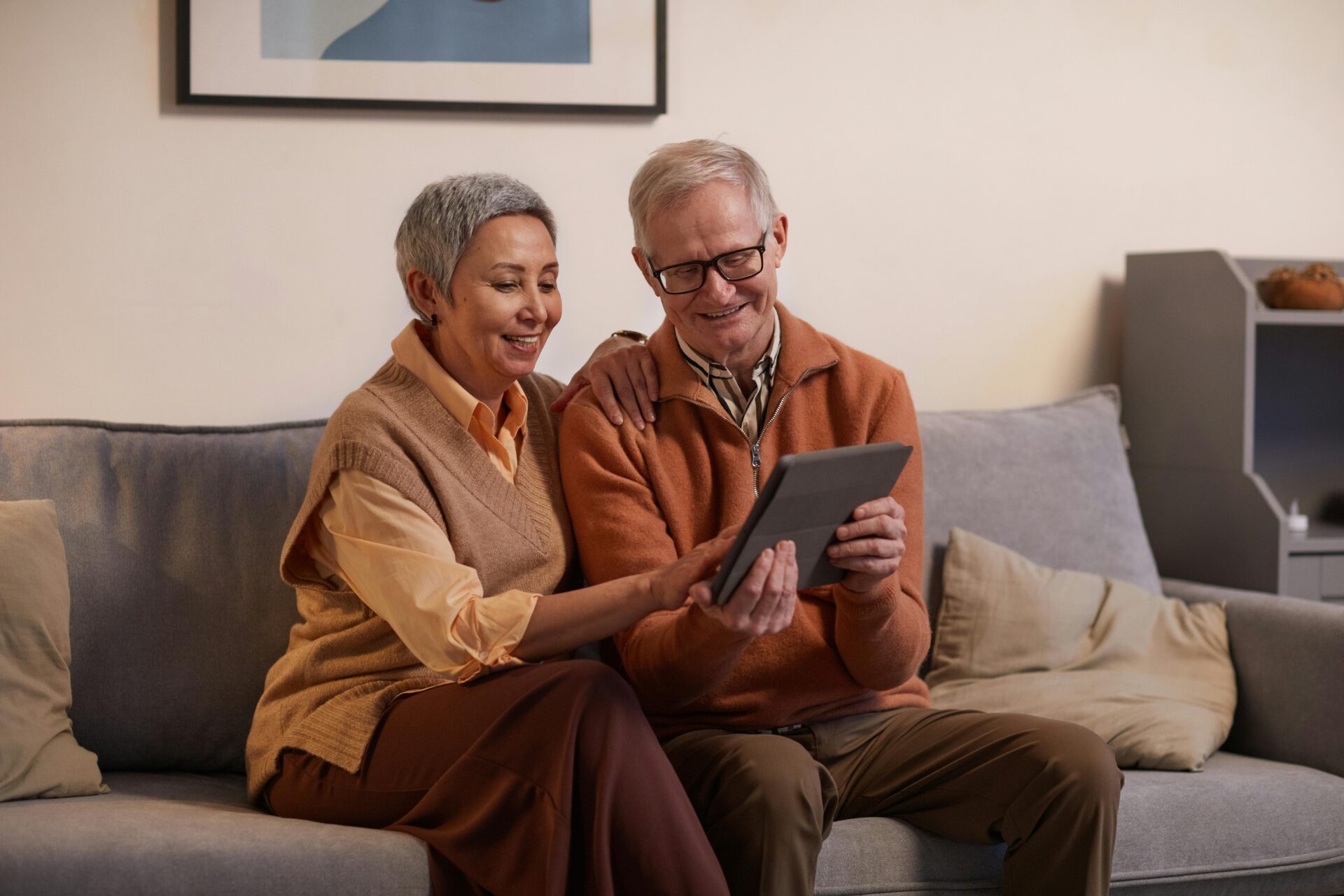
AD | For a long time, medical alert systems were seen as a last resort. The kind of thing you only looked into after a fall, a scare, or a hospital stay. They had a reputation for being clunky, loud, and—if we’re being honest—not particularly stylish. But today’s devices are going through a quiet revolution. They’re smarter, sleeker, and more relevant than ever—not just for emergencies but as part of everyday life.
Photo by Marcus Aurelius from Pexels
This shift matters not just for seniors, but for anyone thinking proactively about independence, safety, and staying active without compromise.
The New Face of Safety
Medical alert systems used to mean a beige box on the counter and a plastic pendant you hoped you’d never have to press. But now? They’re wearable, wireless, and often indistinguishable from fitness trackers or smartwatches. They’ve become something people choose to wear—because they want to feel supported, not monitored.
Today’s medical alert Canada products reflect that mindset. Many of them come with advanced features like automatic fall detection, two-way voice communication, GPS tracking, and integration with mobile apps for families. They’re designed for the real world—on hikes, at brunch, on a walk through the farmer’s market.
From “Help, I’ve Fallen” to “I’ve Got This”
The old stereotype of pressing a button from the floor is still important, but it’s not the only use case anymore. Modern medical alert devices are more proactive than reactive. Many systems automatically detect a fall and initiate contact without the wearer needing to do anything. Others track movement, heart rate, and even location so that help isn’t just available—it’s informed.
That’s a game-changer for people who live alone, travel often, or want to stay physically active while still having a safety net. It’s peace of mind without sacrificing freedom.
As you compare options, it helps to look beyond hardware specs and consider how services are billed and supported in your area. For Canadians weighing cost versus coverage, resources that detail free medical alert systems for seniors in Canada explain how no-fee models deliver 24/7 professional monitoring, GPS location tracking, and emergency coordination without surprise charges. Knowing whether a service includes automatic fall detection, bilingual support, and reliable response times can make the choice much clearer. Reading multiple provider reviews and asking about real-world response workflows will give you greater confidence in the system you pick.
Built for People, Not Patients
A big reason more people are embracing these systems? They don’t feel like “patient tech” anymore. The new generation of devices puts the person first—not the condition.
- Design-forward options come in neutral tones, metallic finishes, or even smartwatch styles.
- Customizable alerts let users decide who gets notified—be it family, neighbours, or a 24/7 response team.
- Discreet wearables can be worn on the wrist, as pendants, or even clipped discreetly inside clothing.
This isn’t about being sick. It’s about being smart. The best devices feel less like medical tools and more like companions—especially when they offer helpful features beyond emergencies.
Travel-Friendly and Ready for Adventure
Today’s seniors are anything but sedentary. From weekend getaways to cross-country moves, people are staying active well into their 70s, 80s, and beyond. Older generations now embrace everything from group fitness to solo travel—and they need tech that keeps up.
That’s where GPS-enabled medical alert systems come in. With nationwide coverage across Canada (and some models even supporting travel to the U.S.), these devices let users go farther without losing their safety net.
Some systems now include:
- Geo-fencing alerts, which notify loved ones if the user leaves a predefined area
- Roadside assistance features
- Location-sharing tools, so families can keep tabs without being intrusive
Whether someone’s traveling between provinces or just heading out for a solo nature walk, they can feel secure doing it.
Smart Features Meet Simplicity
Here’s where the evolution gets interesting. Modern medical alert devices have begun blending health tracking and smart technology—but without overwhelming users.
For example:
- Fall detection doesn’t just recognize movement—it learns your patterns.
- Battery alerts are sent automatically to caregivers if a device is running low.
- Some devices sync with home hubs or mobile apps, creating a bigger wellness ecosystem.
But the real beauty? All of this happens without the user needing to manage settings or troubleshoot. It’s high-tech support, minus the hassle.
A Support System That Works Behind the Scenes
No one wants to think about needing help. That’s what makes modern alert systems so powerful: they stay quiet until you need them. But when that moment comes, they speak up fast—and with context.
Many providers now offer:
- Bilingual (English/French) support teams
- 24/7 monitoring centres based in Canada
- Instant communication via built-in microphones and speakers
So whether someone has slipped on ice in the driveway or is feeling unwell during a morning walk, help is just a voice command—or even just a fall—away.
Ideal for Families Spread Out Across Provinces (or Continents)
One of the biggest concerns adult children have is distance. Many people living in the UK, the U.S., or elsewhere worry about aging parents in Canada, especially if they’re living alone.
Modern medical alert systems can bridge that distance in a meaningful way. With app-based controls and notifications, family members can:
- Get instant alerts
- Track location in emergencies
- Communicate via device or app
It’s not about surveillance—it’s about connection. This kind of tech doesn’t replace family care; it expands it.
More Than Just Emergency Response
While response times and accuracy remain core features, new products are also focused on promoting overall health. This includes:
- Daily wellness check-ins via the device or app
- Medication reminders
- Fitness and mobility tracking
Think of it as a support tool, not a crisis button. These devices are as much about thriving as they are about surviving.
Making the Right Choice
For anyone considering a device for themselves or a loved one, here are a few things to look for:
- Form factor: Is it comfortable and stylish enough to wear every day?
- Coverage area: Does it work everywhere the person regularly travels?
- Battery life: Some wearables now offer multi-day use before needing a charge.
- Customization: Can users choose emergency contacts? Are caregiver apps available?
- Pricing transparency: Are there long-term contracts? Is there a trial period?
Not all systems are created equal, but the best ones make the decision feel empowering—not intimidating.
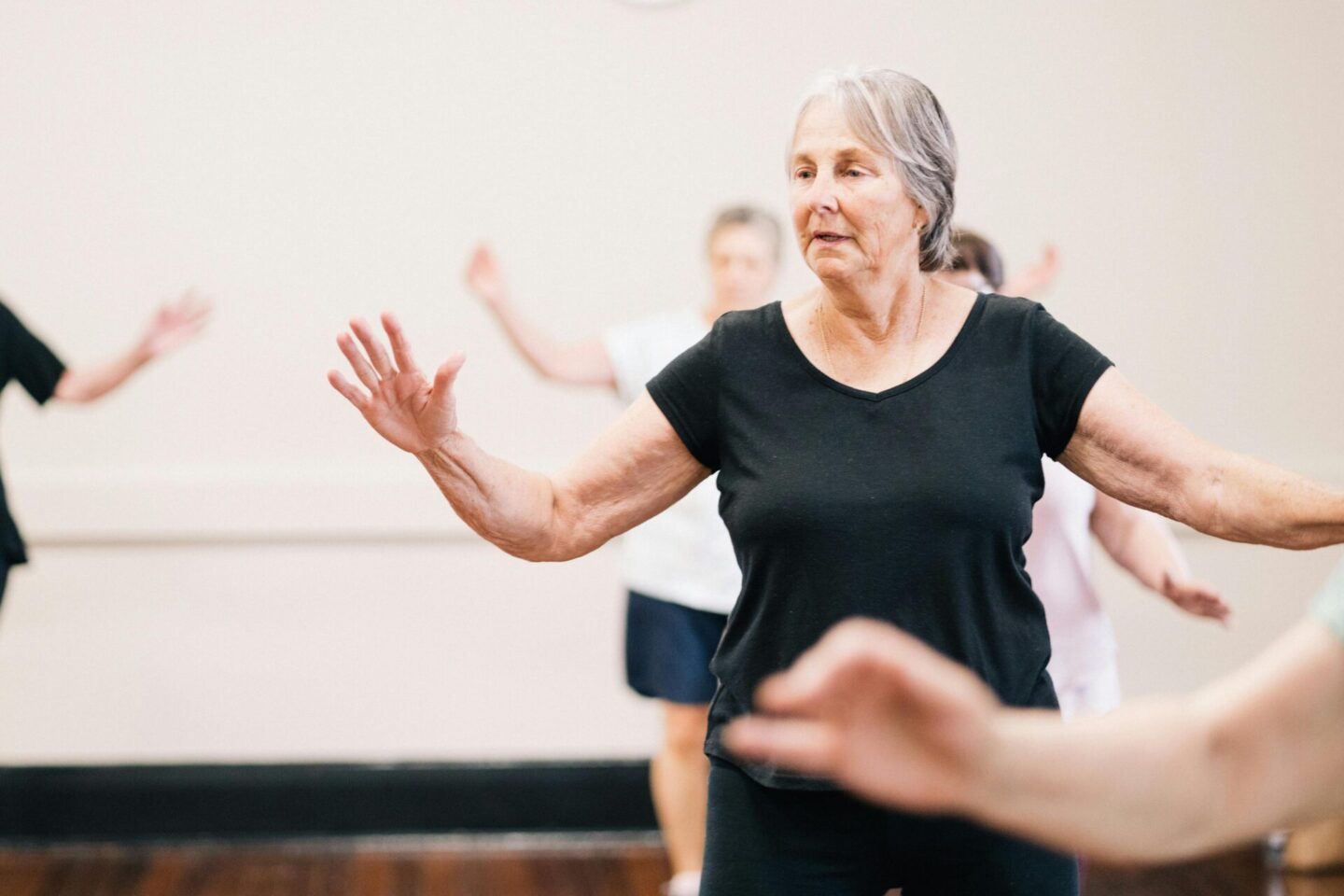
Photo by Wellness Gallery Catalyst Foundation from Pexels
Closing Thought: Smart Independence
The biggest misconception about medical alert systems is that they represent a loss of independence. But the reality is the opposite. They’re a tool for independence.
Today’s seniors aren’t winding down. They’re doing yoga. They’re volunteering. They’re babysitting grandkids and booking trips. A device that keeps up with their energy—and has their back in a moment of need—isn’t just smart tech. It’s part of living well.
So no, these devices aren’t just for emergencies anymore. They’re for walks, workouts, road trips, lazy Sundays, and everything in between. They’re for anyone who wants to live with confidence, not caution.
Leave a Reply